
Alabama Lawmakers Plan Guardrails for License Plate Readers
R. Peevy • November 27, 2026
Flock License Plate Reader Laws In Alabama
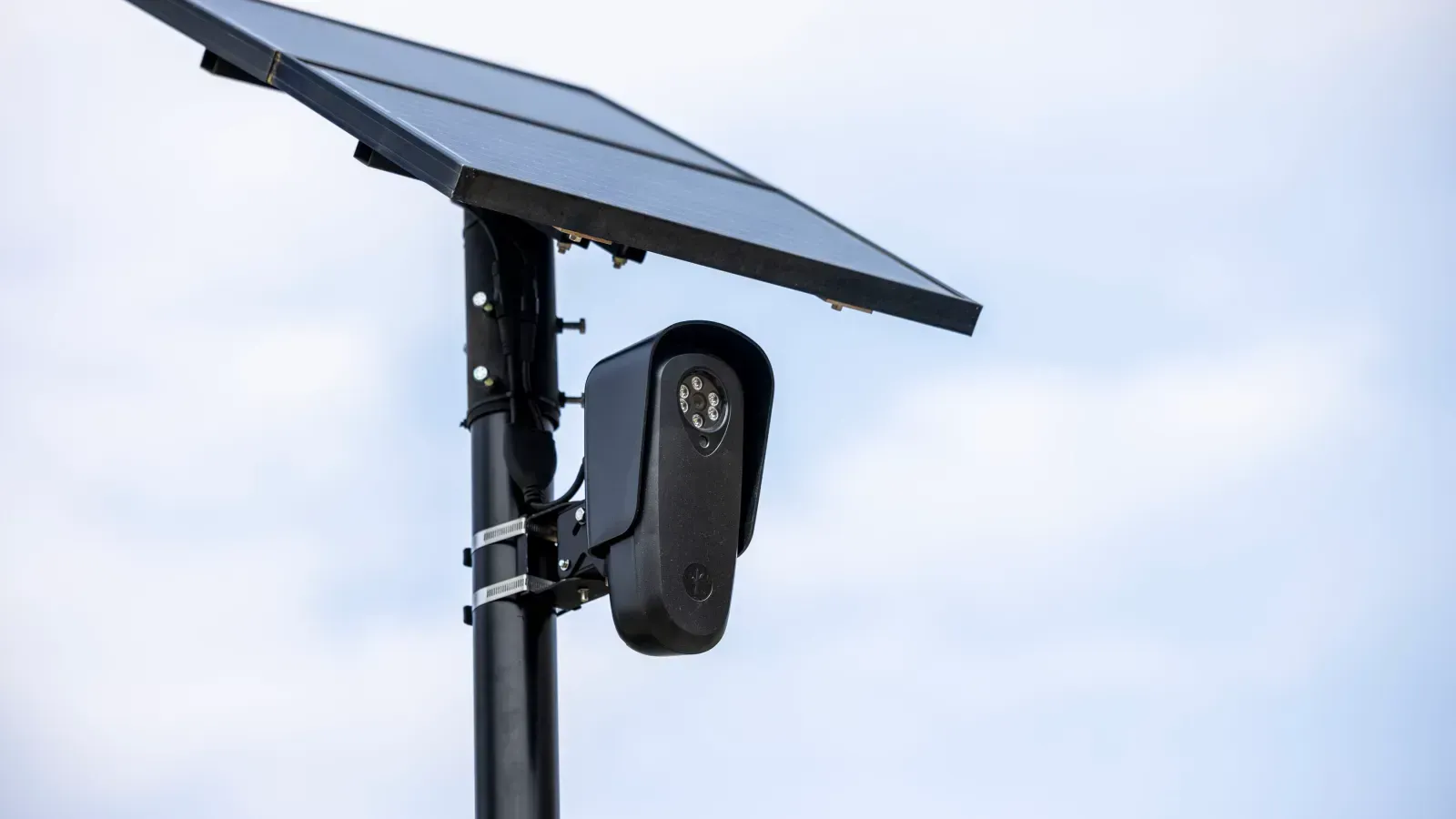
Gulf Shores, AL. — (GSN) — Alabama legislators are preparing to introduce new legislation in the upcoming session to establish statewide regulations for automated license plate reader systems, including network cameras manufactured by Flock Safety. The proposed bills permit law enforcement agencies to continue utilizing license plate readers while instituting specific legal guardrails governing data retention, authorized usage, and system oversight.
A Compromise Between Law Enforcement and Privacy Advocates
The forthcoming legislation represents a popular compromise between law enforcement officials, who view ALPR technology as an indispensable tool for fighting crime, and residents and civil liberties advocates concerned about government surveillance. Lawmakers aim to replace the state's lack of uniform regulations with strict parameters, including mandatory warrant requirements for certain searches, shortened data retention windows, and auditing protocols to prevent misuse.
The balance between public safety and constitutional privacy rights has been heavily debated in coastal communities such as Gulf Shores. Following the city's deployment of 87 Flock cameras, local residents and high school students raised concerns during City Council work sessions regarding mass surveillance, continuous vehicle tracking, and potential privacy violations.
In response, Gulf Shores Police Chief Dan Netemeyer defended the program while acknowledging the necessity of strict safeguards. The department established policies requiring officers to enter an active incident number before conducting queries, conducted regular system audits, enforced a 30-day data retention limit, and announced plans for a public transparency portal.
RELATED ARTICLE: Gulf Shores Police Chief Defends Flock Cameras and Promises Strict Oversight
Across the state and nationwide, ALPR systems have demonstrated clear benefits in solving crimes and protecting vulnerable individuals. In Gulf Shores alone, Flock alerts enabled officers to locate missing dementia patients under Silver Alerts within minutes and track down fleeing suspects in stolen vehicles.
However, privacy advocates emphasize that logging millions of vehicle movements across public roadways creates an intrusive surveillance footprint that risks infringing on civil liberties if left unchecked.
By establishing statutory rules for license plate readers during the next session, Alabama lawmakers seek to draw clear legal boundaries. The legislation aims to preserve essential law enforcement capabilities while securing data privacy standards that protect the public.





















Recent Posts