Graham Creek Nature Preserve to Discuss Invasive Flora at Foley Library
Gulf Shores News Staff • September 3, 2026
Foley Library to Host Invasive Species Talk
Foley, Ala. — (GSN) — The Foley Community Library is set to launch its "Bites and Insights" discussion series on September 15 with an opening presentation by the Graham Creek Nature Preserve. This inaugural session will focus on a critical ecological challenge facing the Gulf Coast: the spread of invasive plant species.
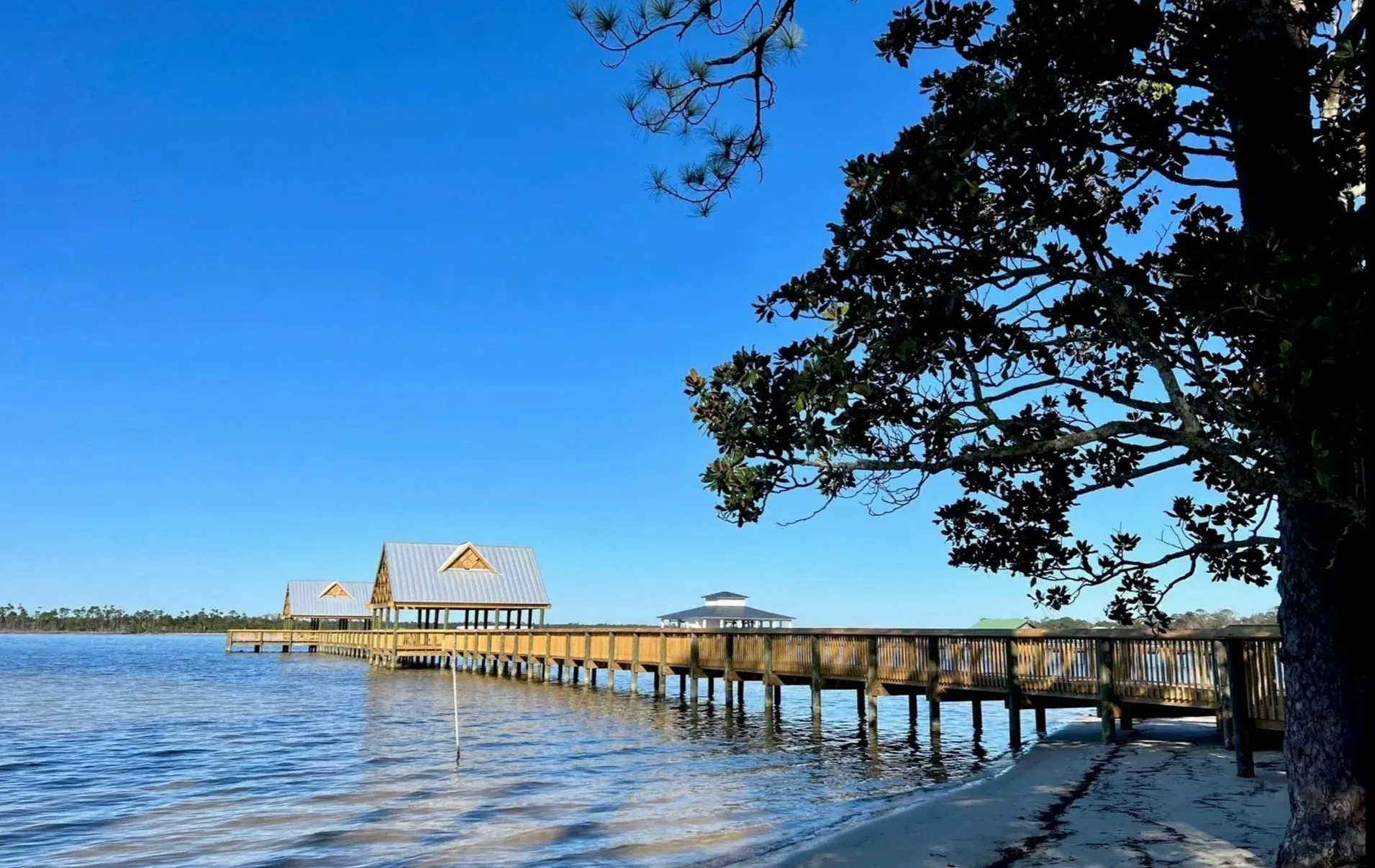
The Graham Creek Nature Preserve, which protects hundreds of acres of the Wolf Bay watershed and native habitats like pine savannas and pitcher plant bogs, is at the forefront of managing these non-native species. While these plants originally arrived with the promise of economic, agricultural, or aesthetic benefits, they have since escaped cultivation to disrupt local ecosystems.
Here is a look at some of the most prominent invasive plants in the coastal region, the purposes they were originally intended to provide, and the ecological disruption they now cause:
The Chinese Tallowtree
- What It Was Meant to Provide: Native to Eastern Asia, the tallowtree was introduced to the Gulf Coast in the early 1900s through federally sponsored plantings. It was primarily intended to establish a seed oil industry. Additionally, because of its rapid growth and colorful autumn foliage, it became a highly popular ornamental choice for local landscaping.
- The Ecological Reality: The hoped-for seed oil industry failed, and the tallowtree quickly became a major environmental threat. Its highly prolific seeds are easily spread by birds and water, allowing it to invade wet areas, stream banks, and forests across southern Alabama. It crowds out native plants and alters local hydrology, transforming diverse wetlands into monocultures.
Kudzu
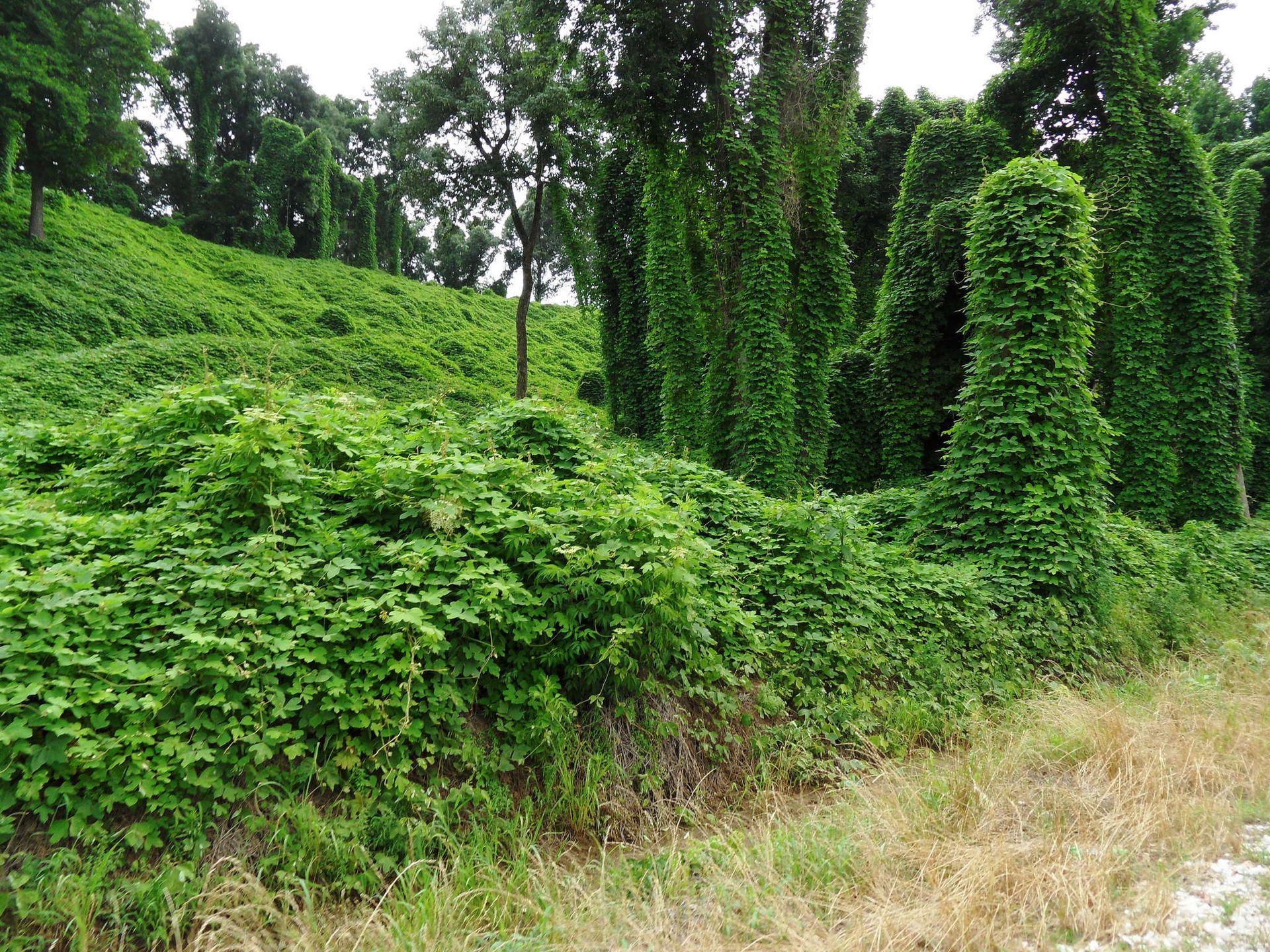
- What It Was Meant to Provide: Known infamously as "the vine that ate the South," kudzu was extensively planted throughout the region during the 1930s, 1940s, and 1950s. It was widely promoted to provide high-quality livestock forage and to control severe soil erosion along hillsides and embankments.
- The Ecological Reality: Without natural checks, kudzu grows up to a foot a day during the spring. This rapid growth enables it to blanket entire landscapes, smothering native plants, trees, and even utility poles under heavy mats of vegetation, completely blocking out the sunlight needed for other species to survive.
Cogongrass
- What It Was Meant to Provide: Native to Asia, cogongrass was introduced to the Mobile area in the early 1900s, often as packing material. Later, it was intentionally planted to stabilize soils and provide forage for livestock.
- The Ecological Reality: Cogongrass is now designated as a federal and state noxious weed, spreading rapidly through windblown seeds and contaminated soil. It forms dense, circular infestations that completely exclude native wildlife forage and plant species. Furthermore, because of its high silica content and thick standing dead biomass, cogongrass provides a severe fire hazard, burning at extremely high temperatures that threaten both human property and native ecosystems.
Chinese Privet
- What It Was Meant to Provide: Imported from China in the 1850s, Chinese privet was widely cultivated to provide a fast-growing ornamental shrub and privacy hedges for residential properties.
- The Ecological Reality: Privet spreads rapidly through root suckering and seeds distributed by birds and water. It forms massive, dense thickets up to 30 feet tall along fencerows, creek bottoms, and upland forests. These thickets completely displace native understory plants and prevent the natural regeneration of native trees.
The upcoming presentation by the Graham Creek Nature Preserve at the Foley Community Library will detail how conservationists are working to combat these aggressive species and how local residents can participate in preserving Alabama's native biodiversity.





















Recent Posts