
Nations From Around The World Meet To Protect Sharks
Gulf Shores News Staff • November 30, 2025
Despite their reputation, most sharks are not dangerous

In recent years the amount of shark fishing guides has exploded across the United States. Many people want to experience the "Jaws" moment of seeing the shark's mouth open as the catch appears from the water. But as the business has flourished many opponents have called attention to the practice with concerns about overfishing.
This past week governments at a wildlife trade conference have adopted greater protections for over 70 species of sharks and rays amid concerns that overfishing is driving some to the brink of extinction. Governments also agreed to enact zero-annual export quotas for several species of guitarfishes and wedgefishes, meaning the legal international trade will mostly be halted.
“This is a landmark victory, and it belongs to the Parties who championed these protections,” Luke Warwick, director of shark and ray conservation at the Wildlife Conservation Society, said in a statement. “Countries across Latin America, Africa, the Pacific, and Asia came together in a powerful show of leadership and solidarity, passing every shark and ray proposal.”
Proponents of a ban highlight threats like overfishing and bycatch, the ecological importance of sharks, and the health risks of consuming shark meat. Opponents argue that well-managed fisheries are sustainable and important for livelihoods, that many sharks are caught as bycatch regardless of targeting, and that bans can have unintended consequences, like shifting fishing pressure elsewhere.
It is not universally illegal to catch sharks in the US, but it is highly regulated and illegal for certain species and in specific locations. Catching sharks is subject to both federal and state laws that often require permits, prohibit targeting protected species, and mandate specific gear and release procedures for others. For example, Hawaii has a total ban on shark fishing, while other states have specific rules about prohibited species and finning.
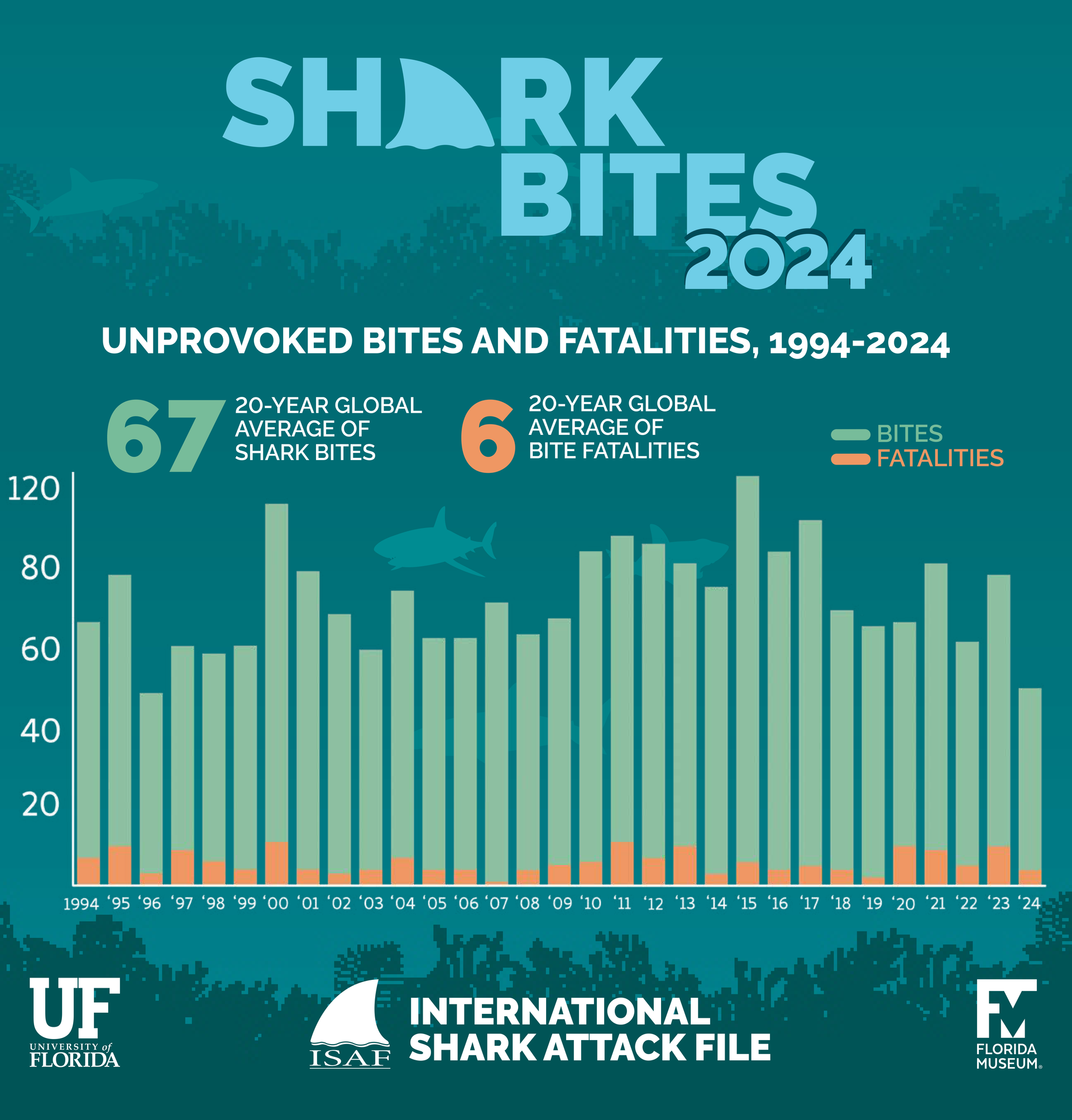
According to Conservation International the hammerhead shark has almost been fished out of existence and is on many endangered species list around the world. While very few fatal shark bites occur around the world, it is estimated that up to 100 million sharks can be killed in a year. Sharks worldwide are the target of vast overfishing to supply the enormous demand for sharkfin soup, a delicacy in some Asian countries.
Shark fishing from the shore has been outlawed in Alabama and many other areas. There are exceptions for managed events at Gulf State Park. Regulations prohibit surf fishing for sharks or using methods that could be unsafe to other beachgoers, such as chumming (throwing fish carcasses or bloody remains into the water).
Shark fishing from a boat is legal, as long as you follow all state and federal regulations regarding seasons, protected species, and gear, according to Gulf Shores & Orange Beach Tourism.






















Recent Posts