NOAA Report Reveals Dire State of Gulf Shrimp Industry
Gulf Shores News Staff • March 20, 2026
Gulf shrimp industry is experiencing a long-term decline in profits
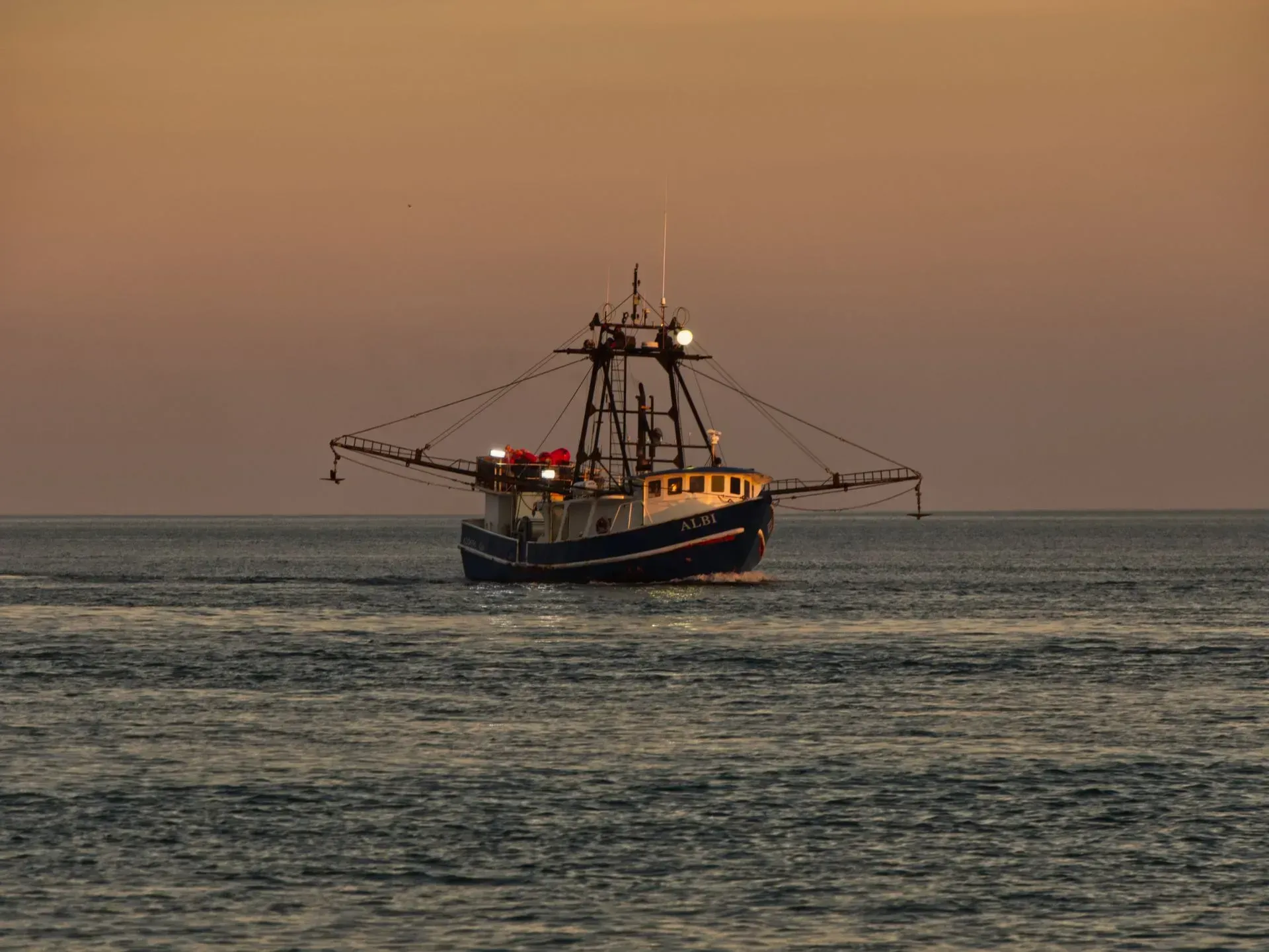
NOAA Fisheries published a snapshot report outlining the economics of the Gulf of America shrimp industry. The report breaks down prices of imported versus U.S.-caught Gulf shrimp, as well as landings, industry costs, profits, and participation in the fishery. It showed a decline in profits and economic stability of the fishery.
Declining Profits for Gulf Shrimp Fishery
The report describes a multi-decadal decline in the Gulf shrimp harvesting industry’s economic stability and profitability. Foreign farmed shrimp have driven shrimp prices lower and operating costs have increased.
From 2021 to 2023, total Gulf shrimp revenue dropped by more than half, from $489 million to just $221 million.
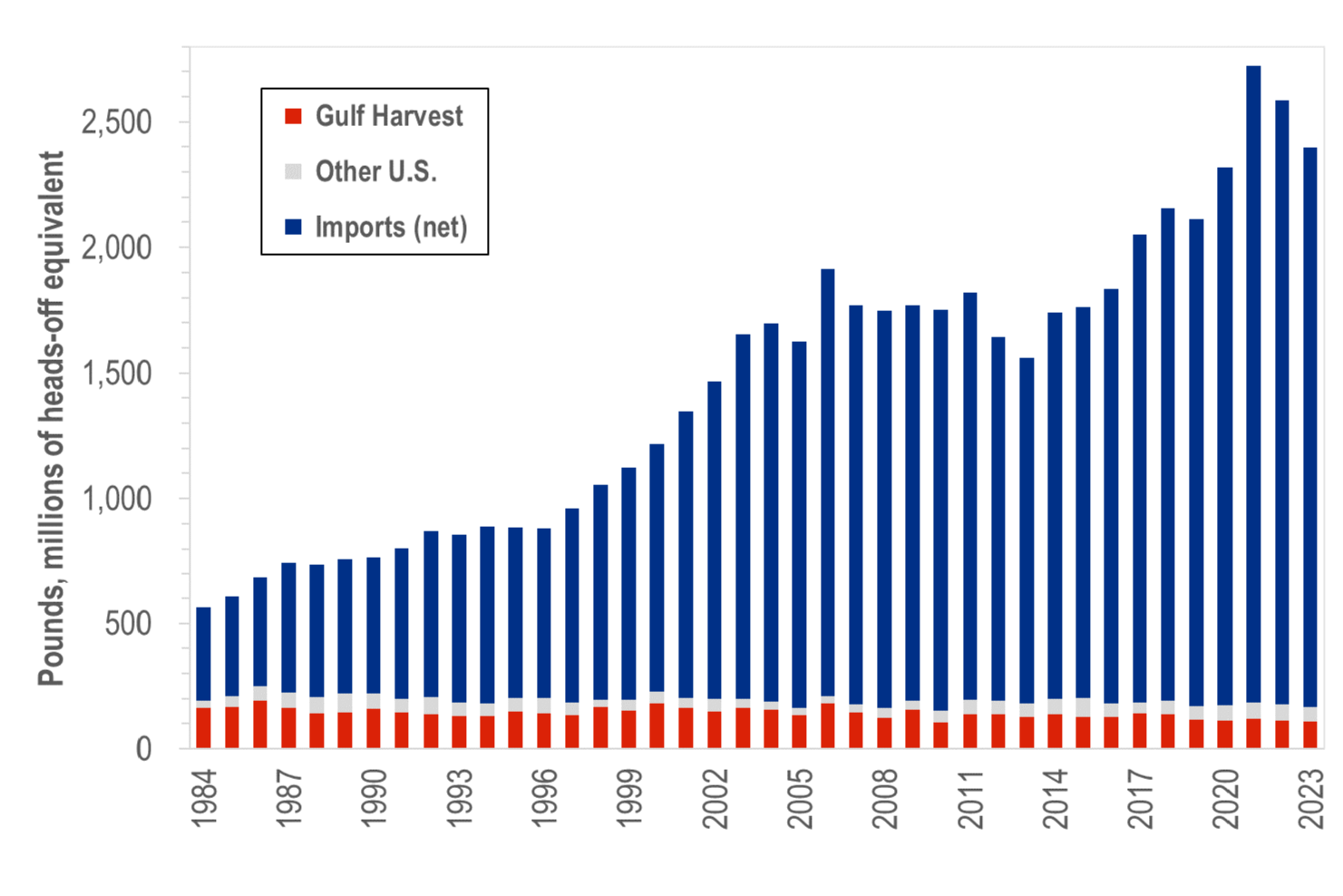
This isn’t due to a lack of demand. In fact, U.S. shrimp consumption more than quadrupled between 1984 and 2023. This increased demand was met primarily by imported shrimp—originally wild-caught foreign shrimp. Later, farm-raised shrimp became the primary source as aquaculture practices were developed, optimized, and expanded in developing countries around the world. By 2023, the proportion of Gulf-harvested shrimp made up only 4.5 percent of the U.S. market—down from 28.7 percent in 1984.
As a result of increasing volumes of imported shrimp at lower and lower prices, the average price of Gulf shrimp decreased as well. The price of Gulf shrimp, adjusted for inflation, decreased from more than $6 per pound in the 1980s to less than $2 in 2023.
Landings Decline Despite Stable Shrimp Populations
U.S. wild-caught landings in 2023 were 15 percent below the average of the previous 10 years and 24 percent below the average of the previous 50 years. However, shrimp populations have remained stable and are not undergoing overfishing. So what’s driving the drop in landings? Declining profits are driving U.S. shrimpers out of the fishery.
In fact, NOAA saw a 19 percent decline in active shrimping vessels from 2021 to 2023, and an estimated loss of more than 1,200 jobs.
For many shrimpers, prices are so low that it’s cheaper to leave the boats docked than go out shrimping. But leaving boats docked exacerbates the issue: Captains and deckhands move on to more stable, shore-based jobs. Vessels that sit idle for years often require substantial maintenance and repairs to become operable again.
RELATED ARTICLE: Alabama Requires Restaurants and Stores To List Country Of Origin For Seafood
Sarah Shoffler, NOAA Fisheries’ seafood advisor, summarized, “This report puts numbers to the economic challenges facing the U.S. shrimp industry. Achieving a truly resilient Gulf shrimp industry hinges on its ability to sustain profitability. The path forward will likely involve a strategic combination of technological investment, market differentiation, and robust public-private partnerships. We are committed to exploring solutions that could support this industry into the future.”






















Recent Posts