
Substance Tied To Deaths of Ole Miss Students Outlawed In Alabama
Gulf Shores News Staff • September 27, 2026
Kratom has been illegal in Alabama since 2016
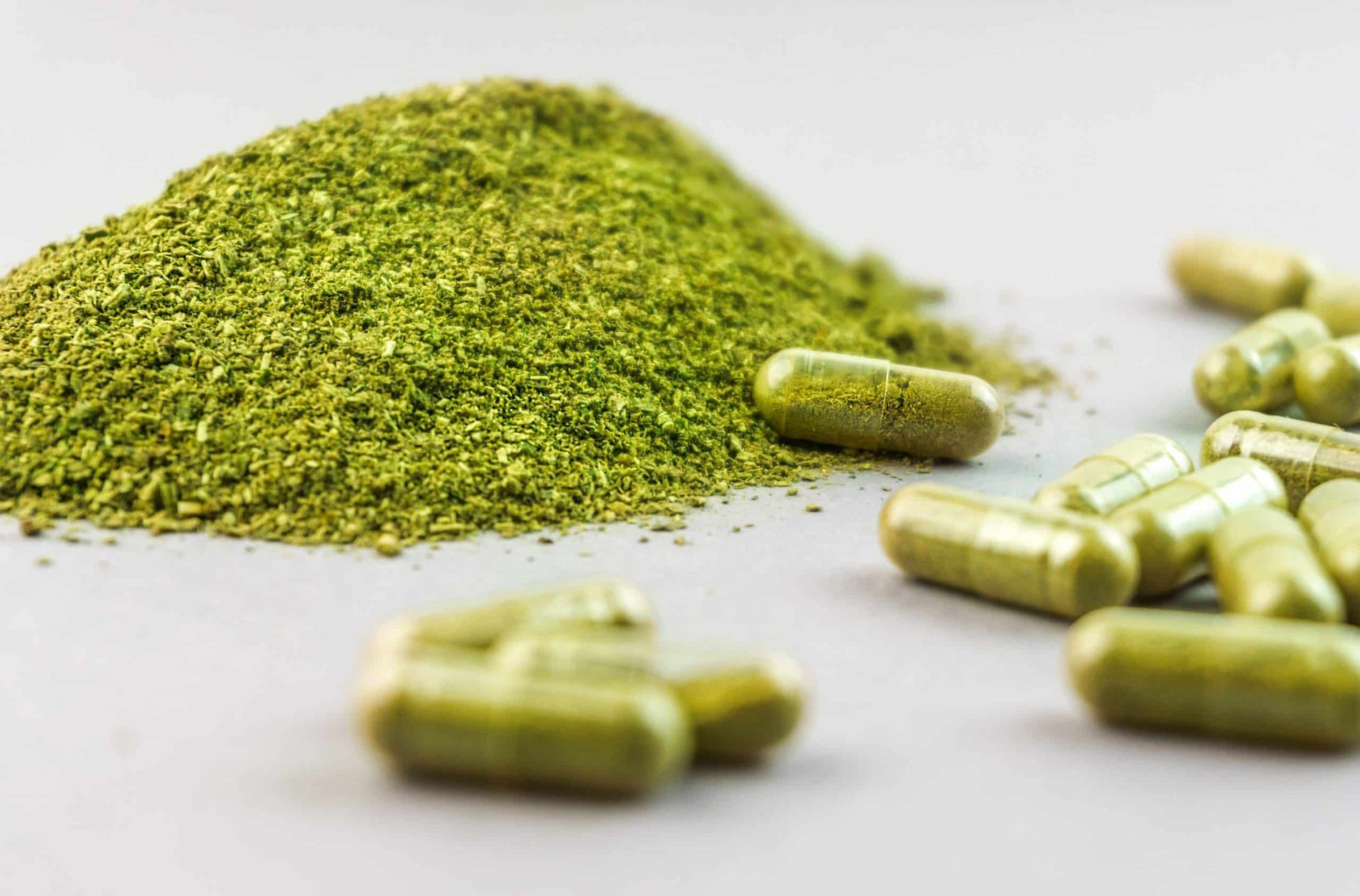
Gulf Shores, Ala. — (GSN) — Investigative authorities at the University of Mississippi (Ole Miss) are looking into the deaths of two college students after packaged, store-bought kratom was discovered at both scenes. The students, an 18-year-old and a 20-year-old, were found dead in separate locations, with one discovered in a campus residence hall and the other at an off-campus home in Oxford, Mississippi.
Lafayette County Metro Narcotics officials noted that the two cases are being handled as separate inquiries, with no confirmed evidence indicating the deaths are connected. While police and university administrators urged community members to avoid unprescribed substances out of caution, authorities emphasized that toxicology results remain pending and it has not been confirmed whether kratom played a role in either death.
Commonly sold in vape shops and convenience stores, Kratom is a plant-based substance native to Southeast Asia that can act as a stimulant in low doses or exert opioid-like effects at higher doses. While local municipal ordinances in Oxford ban kratom, the product remains illegal across the state line in Alabama. Alabama outlawed kratom in 2016 by classifying its active chemical compounds, mitragynine and 7-hydroxymitragynine, as Schedule I controlled substances. Consequently, the possession, sale, or distribution of kratom is a felony in Alabama, where law enforcement continues active crackdowns to remove over-the-counter kratom products from gas station and convenience store shelves.
RELATED ARTICLE: Alabama Attorney General Issues Cease-And-Desist Order For Kratom Sales
Concerns regarding the substance have also been highlighted in local coastal news reporting. News outlets in the Baldwin County and Gulf Shores area, including GULF SHORES NEWS reporting featured on March 26, have covered how the illegal drug kratom has become increasingly common in the region, drawing heightened attention from health officials and local authorities.
National public health studies further underscore the complex safety profile of kratom, revealing hundreds of documented deaths associated with the substance across the country. According to data from public health agencies and medical examiners, the vast majority of these fatal cases involved poly-substance use, where kratom was detected alongside other potent compounds such as prescription opioids, illicit narcotics, or sedatives. This frequent co-occurrence presents a significant challenge for toxicologists attempting to determine the direct role of kratom alone versus its potentially lethal interactions with other drugs.























Recent Posts