
The Clock Change, Legal Hurdles, and the History of Daylight Saving Time
R. Peevy • October 29, 2026
Clocks Set Back in Alabama This Weekend
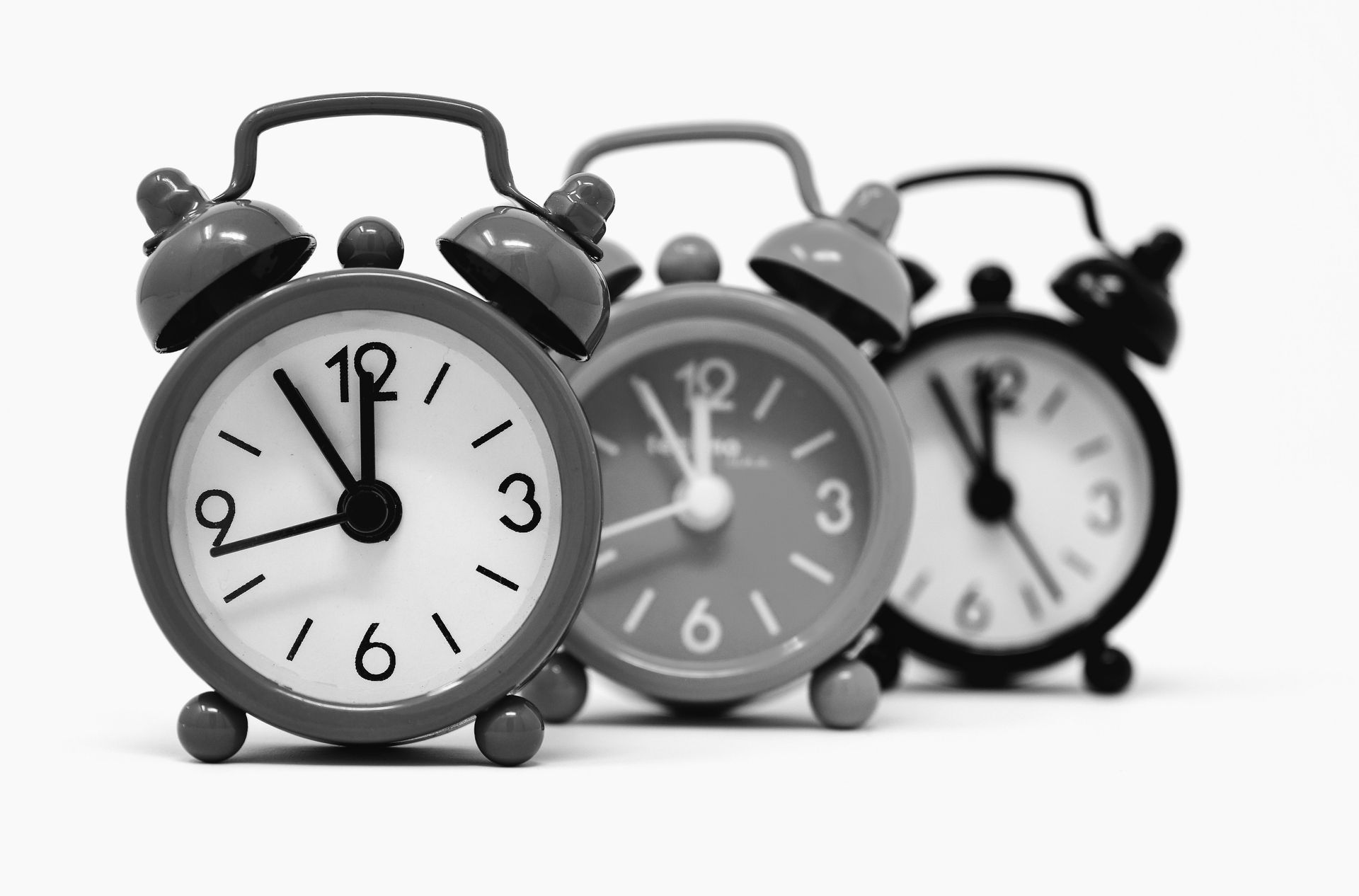
Gulf Shores, AL. — (GSN) — Alabamians will turn their clocks back one hour at 2:00 a.m. on Sunday, November 1, as Daylight Saving Time (DST) officially comes to an end. The transition returns the state to Central Standard Time, yielding an extra hour of sleep overnight alongside earlier sunrises and earlier evening sunsets. While digital and connected devices adjust automatically, manual clocks will need to be adjusted before going to bed Saturday night.
Why the Law Is So Hard to Change
Despite widespread interest in eliminating the biannual time shuffle, changing the law requires federal action that has remained stalled for years.
- Federal Restrictions Under the Uniform Time Act: The federal Uniform Time Act of 1966 governs national timekeeping. Under current law, states are allowed to opt out of Daylight Saving Time to observe permanent Standard Time (as Arizona and Hawaii do). However, federal law explicitly forbids states from independently adopting permanent Daylight Saving Time.
- Alabama's Trigger Law: In 2021, Governor Kay Ivey signed state legislation directing Alabama to remain on year-round Daylight Saving Time. However, the state law contains a contingency clause: it cannot take effect unless Congress amends federal law to authorize permanent DST. Alabama is among 19 states that have passed similar contingent legislation.
- Congressional Gridlock: Federal proposals, such as the Sunshine Protection Act, aim to make Daylight Saving Time permanent across the nation. Although supported by members of Alabama’s congressional delegation—including Senators Tommy Tuberville and Katie Britt—federal legislation requires approval from both the House of Representatives and the Senate, followed by the President's signature. Conflicting opinions over safety concerns regarding darker winter mornings and health impacts have prevented nationwide legislative consensus.
History of Daylight Saving Time
The concept of adjusting time schedules has evolved over more than a century of war, energy crises, and legislative adjustments:
- World War I Origins: Germany became the first country to adopt Daylight Saving Time in 1916 to conserve fuel during World War I. The United States followed suit in 1918 by enacting the Standard Time Act, establishing federal time zones and nationwide DST.
- Post-War Repeal and World War II "War Time": Farmers protested the time shift, leading Congress to repeal federal DST in 1919 and leave timekeeping to local jurisdictions. During World War II, President Franklin D. Roosevelt re-instituted year-round DST from 1942 to 1945, known as national "War Time".
- The Uniform Time Act of 1966: After WWII, a patchwork of differing local time standards created confusion for transportation and broadcasting industries. To establish order, Congress passed the Uniform Time Act of 1966, setting a uniform schedule for states choosing to observe DST.
- The 1974 Energy Crisis Experiment: During the 1973–1974 energy crisis, the U.S. attempted year-round Daylight Saving Time. However, public outcry over dark winter mornings—which raised safety concerns for children walking to school—forced Congress to repeal the trial early and return to seasonal changes.
- Modern Schedule (2005 Energy Policy Act): The current schedule—beginning on the second Sunday in March and ending on the first Sunday in November—was enacted under the Energy Policy Act of 2005 and took effect in 2007.
The founding fathers did not implement modern time changes or Daylight Saving Time, though one of them—Benjamin Franklin—is frequently credited with inspiring the concept.
While living in Paris in 1784, Franklin wrote a satirical essay titled "An Economical Project for Diminishing the Cost of Light," suggesting that Parisians could save significantly on candles by getting out of bed earlier to use morning sunlight. However, historical records indicate that Franklin meant the essay largely as a lighthearted joke rather than a serious policy proposal for adjusting clocks, and actual Daylight Saving Time was not developed or implemented until the 20th century.
As Alabamians adjust to the clock change this coming week, expect to hear a flurry of convenient excuses for running behind. Whether someone arrives late for work, misses the start of a doctor appointment, or keeps a date waiting, pointing a finger at the time shift is practically a seasonal rite of passage. A few might even try claiming the time shuffle as a reason for speeding to a meeting—an excuse we certainly do not endorse, though many may still attempt to use it. No matter the explanation, this weekend's annual "fall back" serves as a collective reminder that while Alabamians may not be able to change the law, they will certainly make the most of the excuse.























Recent Posts