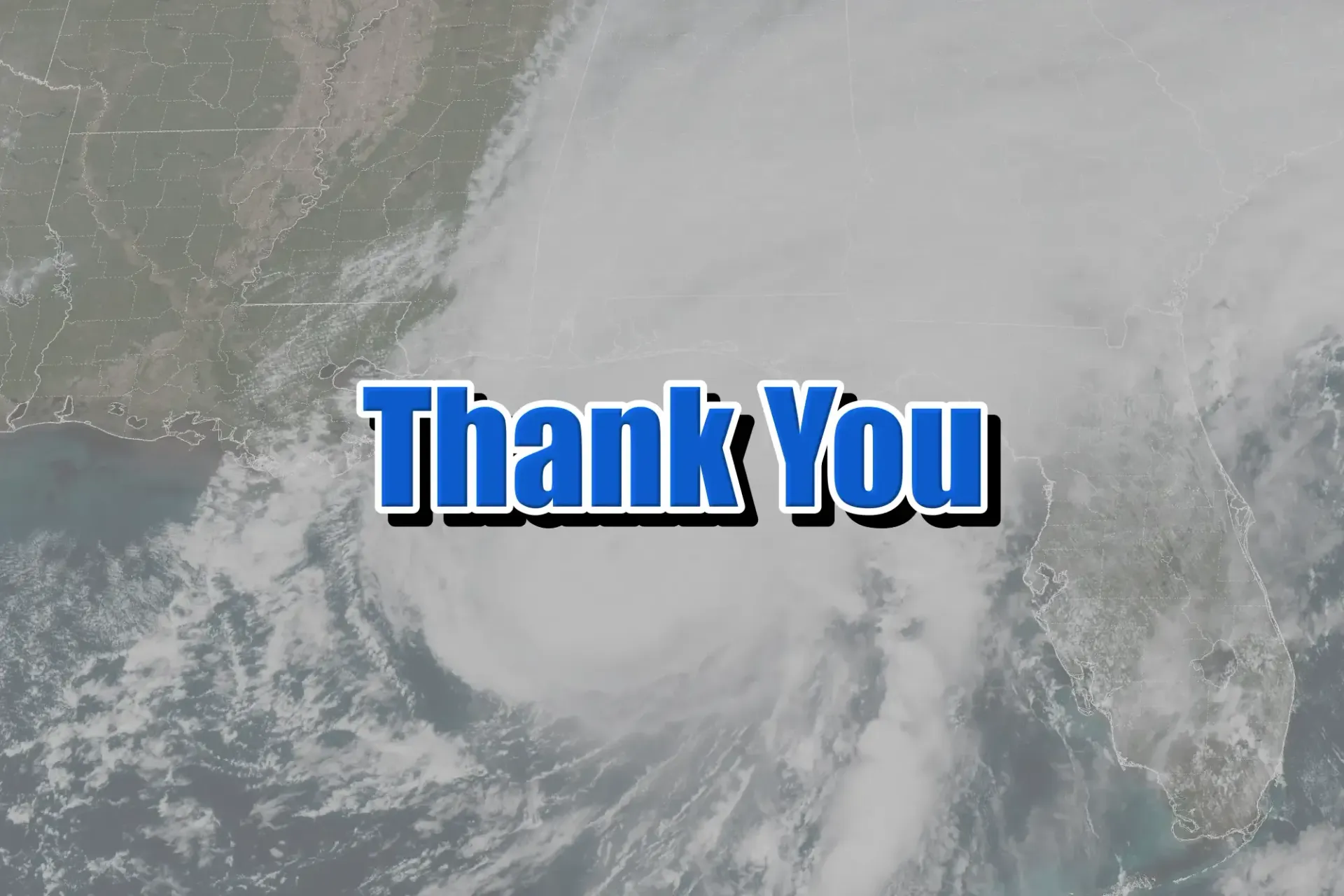
2026 Hurricane Season Threat Level Lowered
Ken Cooper • July 13, 2026
NOAA and CSU have lowered the severity in their forecast
Orange Beach, Ala. — (OBA) — Each year locals keep their fingers crossed until November30th, the official end of hurricane season. Those who have lived through Frederic, Ivan or even a small one like Sally don't forget the events easily. But this year we have reasons to breathe easier.
As the 2026 Atlantic hurricane season continues, meteorological consensus points toward a quieter-than-average year. Researchers at Colorado State University (CSU), who have been monitoring climate patterns throughout the spring and summer, have consistently revised their outlooks downward, now predicting a "well below-normal" season.
The primary factor driving this anticipated reduction is the emergence and strengthening of an El Niño pattern in the tropical Pacific.
El Niño acts as a significant "thermostat" for the global climate. In the context of the Atlantic, a strong El Niño creates high levels of vertical wind shear—a change in wind speed or direction with height. This shear disrupts the development of tropical cyclones, often "shredding" nascent storms before they can organize or intensify.
HISTORICAL HURRICANE FACTS OF GULF SHORES:
Longest gap between storms
9 years 1986-1994
How often this area gets affected?
Gulf Shores Brushed or hit every 2.33 years
Average years between direct hurricane hits. (hurricane force winds for at least a few hours)
Once every 7.7 years. (20 hits)
Average years between major hurricane hits.
Once every 17.11 years. (9 hits)
Average MPH of hurricane hits. (based on sustained winds from advisories, not gusts)
103 mph
Statistically when this area should be affected next
2 years overdue
Last affected by
2021 June 19th Tropical Storm Claudette passes to north-northwest by 101 miles with 40 mph winds while moving northeast.
Even in years with low overall activity, the threat to life and property remains. Residents in hurricane-prone areas are encouraged to maintain their disaster preparedness plans, ensure their emergency kits are stocked, and continue monitoring weather updates as the season progresses through its historical peak in mid-August through October.























Recent Posts