April Fools Day Pranks Are Too Easy For The Media
Gulf Shores News Staff • April 1, 2026
So how did this prank day start?
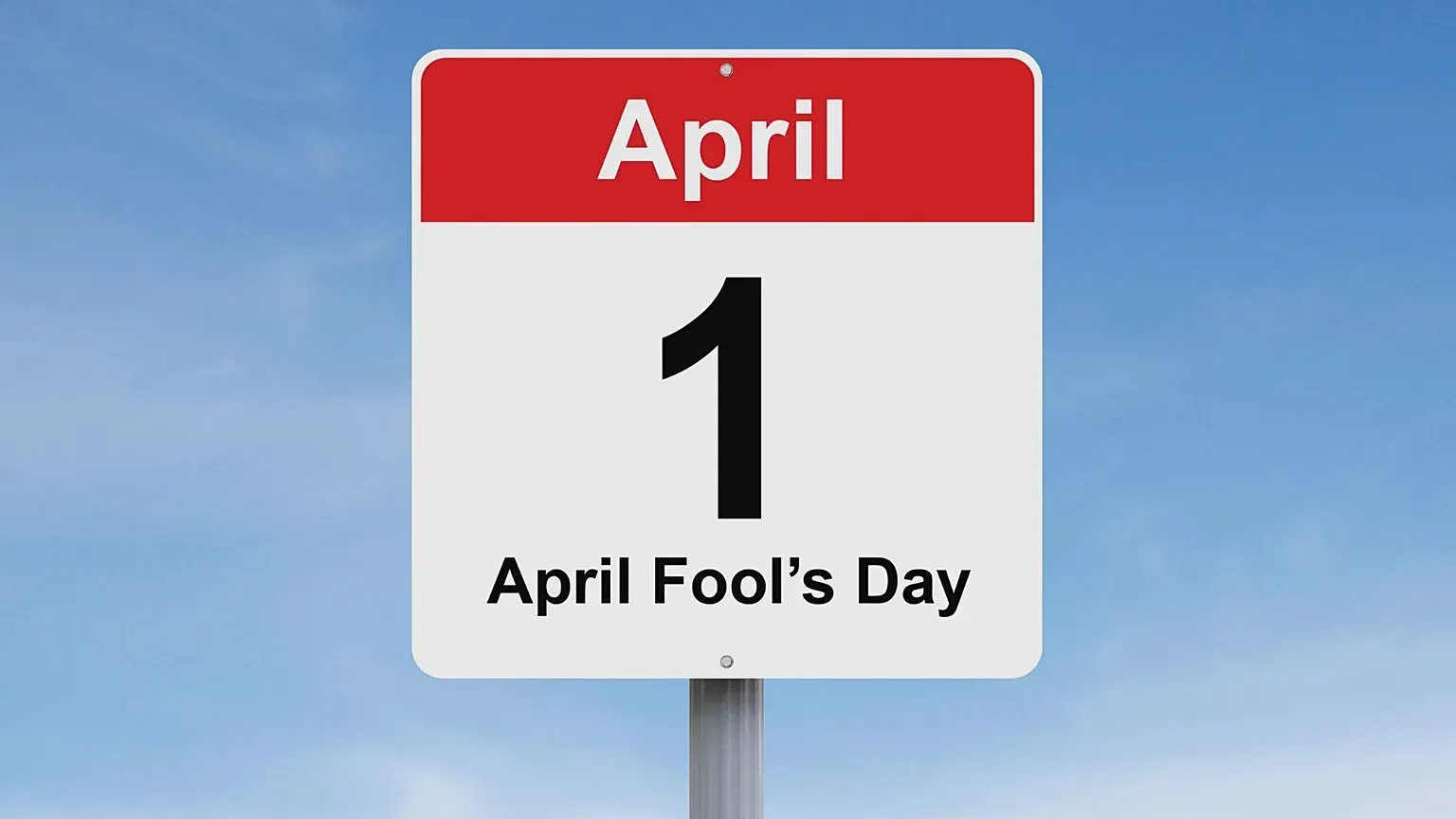
Yes we could have created a headline about a new bridge from Fort Morgan to Dauphin Island, or a shark discovered that can walk onto the beach. But we thought that some readers may not have remembered that it is April Fools Day. Instead we chose to write about the history of this prankful day.
Historians trace April Fools' Day back to 1563, when France adopted the Gregorian calendar. That change shifted New Year's Day from early April to January 1st. People who continued celebrating in April were called "April fools." By the 1700s, the tradition had spread throughout Europe and beyond.
Some historians also cite older traditions. The Roman festival of Hilaria, held at the end of March, involved people dressing in disguises and mocking fellow citizens. Others connect the holiday to the unpredictable weather of early spring, which can deceive anyone into thinking winter has finally ended.
The earliest recorded mention of April Fools' Day in English is found in a 1561 poem by Flemish writer Eduard de Dene. In Scotland, the celebration once lasted two days. The second day was dedicated to back-related pranks, where the famous "kick me" sign originated.
Over time, companies and media outlets joined in the fun. In 1957, the BBC broadcast a fake report about Switzerland's spaghetti harvest. Millions of viewers believed it. Since then, brands like Google and Burger King have created their own hoaxes every April 1st.
Today, April Fools' Day is celebrated in many countries. The pranks vary from simple jokes at home to large campaigns by major corporations. No one owns the holiday, and it has no official religious or governmental support. It simply exists — and people continue to celebrate it every year.
Keep your pranks safe today and we will tell you about Queen Mary being docked in Gulf Shores on another day.






Recent Posts