
Council Proposes Targeted Tax Rebates to Drive Walking District Development
Gulf Shores News Staff • July 7, 2026
City of Gulf Shores seeks specific developments in new walking districts
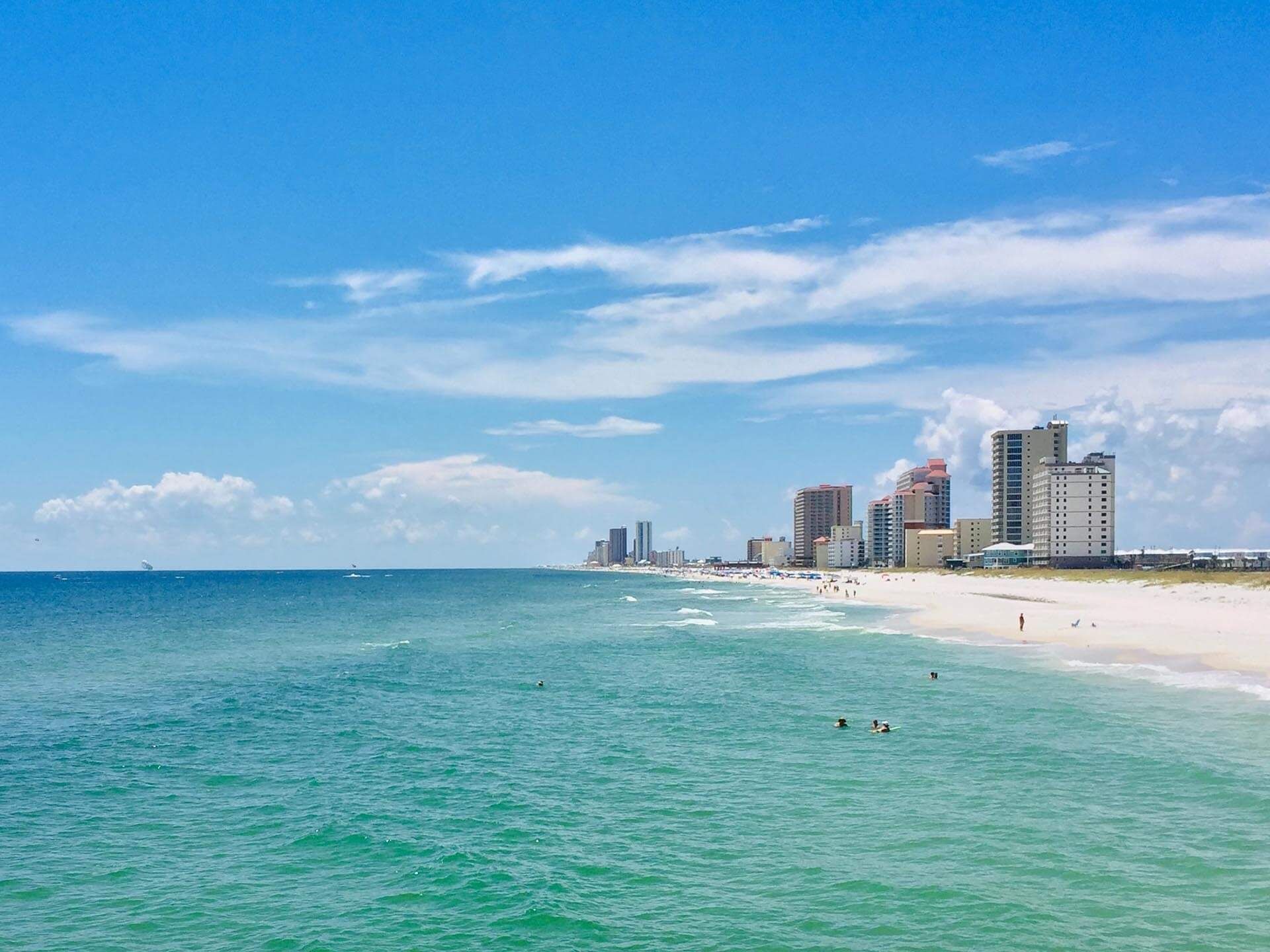
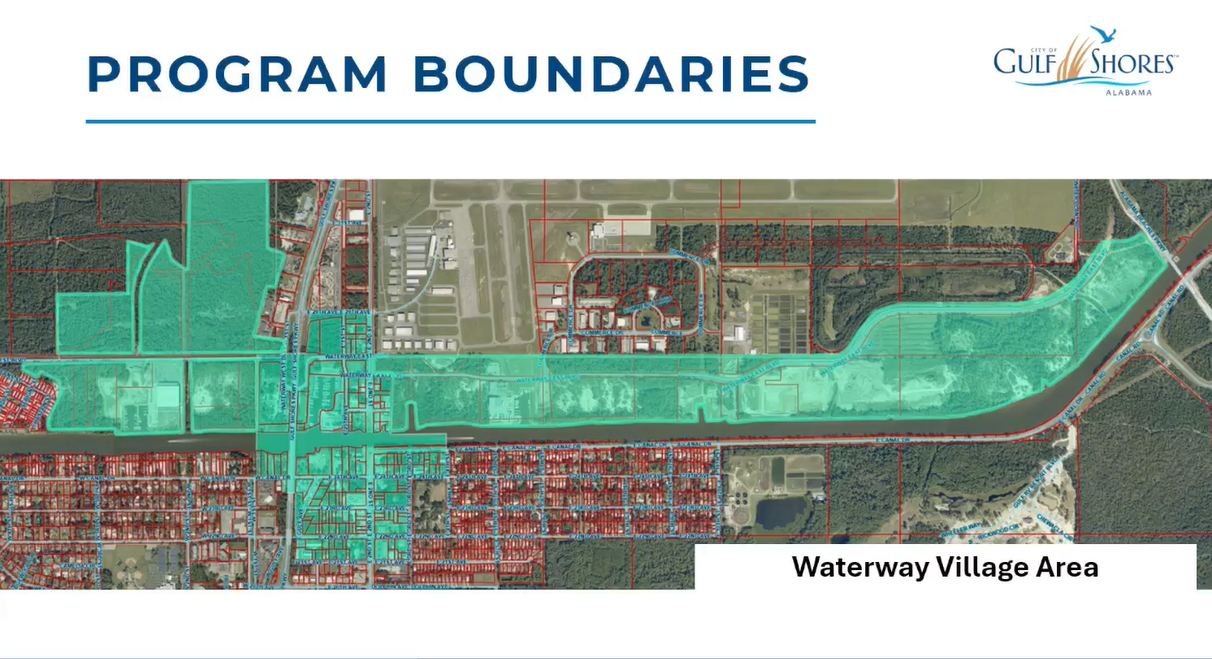
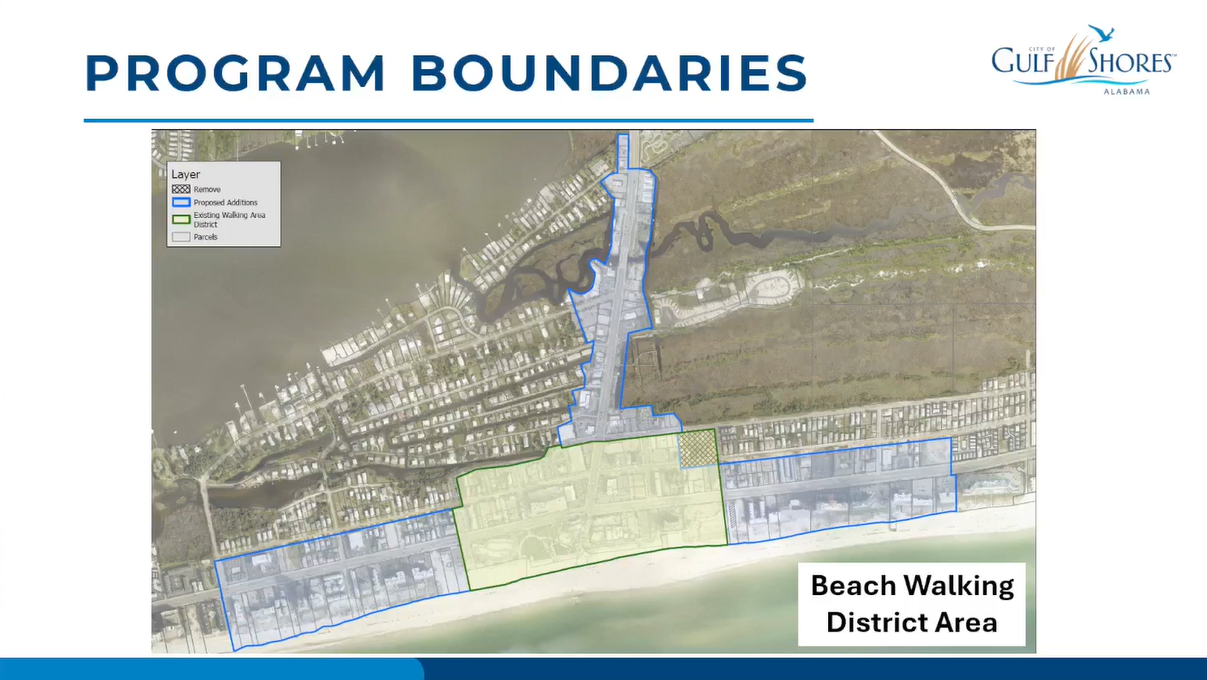
Gulf Shores, Ala. — (GSN) — The Gulf Shores City Council is evaluating a new economic development strategy designed to spur investment in the city’s “walking districts.” During a recent meeting, Blake Phelps from the Economic Development and Public Affairs department presented an outline for incentive programs aimed specifically at the Waterway Village and the Beach Walking District. The initiative seeks to strengthen local walkability, bolster year-round economic activity, and introduce higher-tier dining, retail, and lodging options to the community.
The proposed program is not an entitlement, but a performance-based system. It functions by providing a rebate on new taxes generated by a development, meaning the city is not providing upfront capital or committing existing tax revenue.
Under the proposal, eligible projects could receive a rebate of up to 50% of the incremental new sales, lodging, and property taxes created by the development. While the term could potentially extend up to 20 years, the rebate would only be provided after a project is completed and actively generating new tax revenue.
Cultivating Unique Development
The city’s goal is to move beyond standard commercial growth, targeting developments that add unique character rather than inviting large, regional, or national chains. Desirable projects include:
- Mixed-Use Developments: Vertically integrated projects featuring ground-floor retail or commercial space with lodging or office uses on upper floors.
- Destination Dining: High-end, chef-inspired restaurants that offer elevated experiences not currently found within the city.
- Specialty Retail: Boutique shops that enhance the area's distinct atmosphere.
- Entertainment-Focused Uses: Venues that combine food and beverage with activities like pickleball or indoor entertainment.
The Review and Approval Process
To access these incentives, developers must undergo a rigorous evaluation process. Applicants will submit proposals to a review committee, which will assess projects based on criteria including capital investment, job creation, wage levels, architectural quality, and sustainability.
Crucially, developers must demonstrate a legitimate “financial gap” that the rebate program would help address and must provide market studies and design schematics. If approved, the city will negotiate a development agreement outlining specific milestones and operating standard.
Community and Council Feedback
The proposal was met with discussion regarding the scope and long-term impacts of the plan. Some council members expressed concern that a 20-year rebate term might be excessive given the limited property availability in the area, with suggestions that a shorter timeframe, such as one or two years, might be more appropriate.
Public and industry feedback also highlighted potential challenges, including the risk of “cannibalizing” business from existing local establishments. Additionally, concerns were raised regarding the necessity for proactive parking infrastructure planning on the south side of the canal to avoid congestion issues similar to those seen at the beach.
City officials emphasized that the program is designed to grow the overall market rather than cannibalize existing businesses, noting that the city will use market analysis and internal tools to verify projections and potential impacts. Each project will be evaluated on a case-by-case basis to ensure it aligns with the city's strategic vision for its walking districts.










Recent Posts