Has The Mobile Bay Sediment Problem Been Solved?
Gulf Shores News Staff • December 18, 2025
3D Printing Artificial Reefs From Bay Dredging Sediment
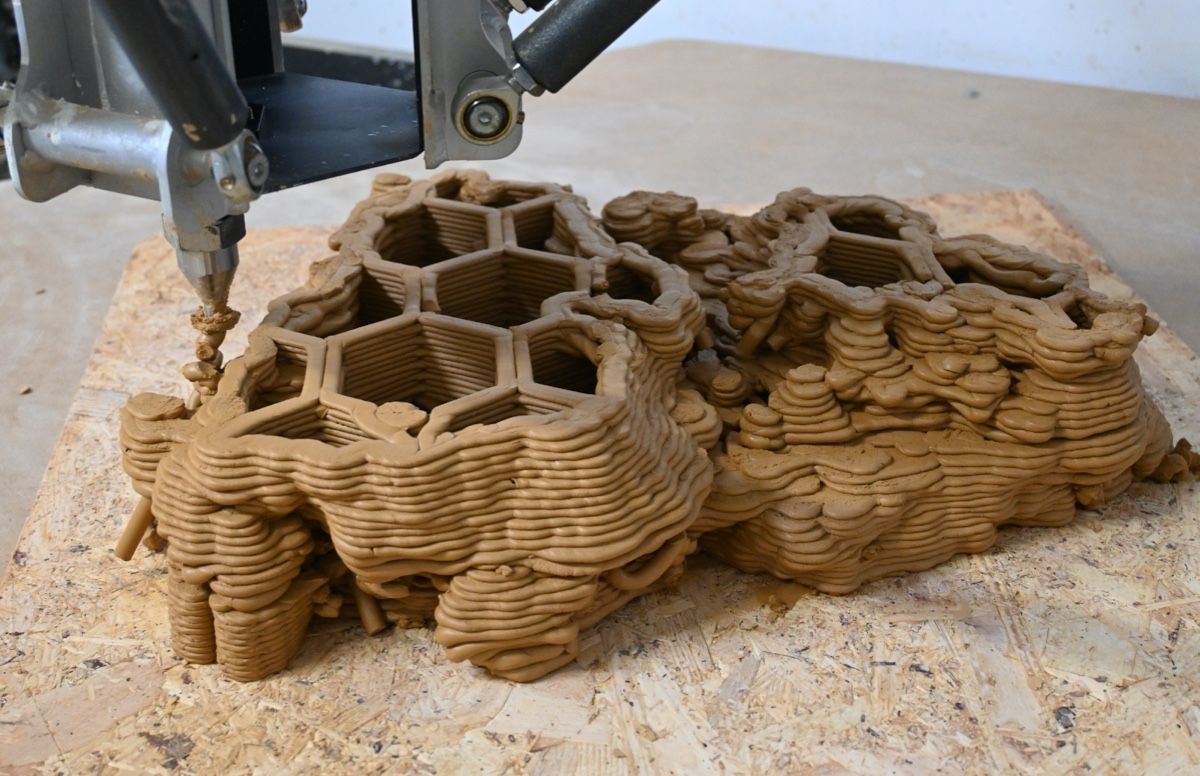
For decades the Army Corp of Engineers has dredged tons of sediment from Mobile and other bays in order to keep shipping lanes navigable. The problem arises from what to do with the sediment after it is pumped? This is a problem which occurs around the world in similar situations.
Now the U.S. Army Corps of Engineers, Mobile District, in partnership with the Mobile Bay National Estuary Program, is using the dredged material from the Mobile Bay to assist the environment. They have begun a program to create 3D printed artificial reefs from the dredge sediment.
In recent months the dredge materials has been the subject of many news articles as the Port of Mobile channel was being dredged for larger ships. Alabama Senator Katy Britt even discussed on the floor of the Senate during a budget hearing. At that hearing Army Corps representative said “Senator, what we’re doing down in Dauphin Island is, I think, exemplary. What Mobile’s district is doing with a programmatic agreement so that we can get that all up upfront, on the permitting and we treat those clean sand, clean silt as a resource for the environment and for in terms of the beach protection as well.”
Dredging projects are a common sight along the Alabama coastline. Many of them include pumping sand back onto shores, but other can include waterway access for even small boats. This program can use sediment from all locations to build and place the reefs for oysters and other local aquatic life.
Valerie Morrow, Mobile District Dredge Material Program Manager, said that the project is meaningful to both the District and MBNEP.
“The 3-D Oyster Reef project holds significant value for the Mobile District and MBNEP due to its innovative approach to addressing the challenge of reusing fine-grained material,” Morrow said. “As a ‘proof-of-concept’ initiative, this project lays the groundwork for future beneficial use of fine-grained dredge material. This project would also establish a consistent use of dredge material from the Mobile Uplands placement area.”
The reef was 3D-printed from dredged material from the Mobile Harbor federal navigation channel and deployed to the farm on October 20.
The reef is being monitored for structural integrity and for oyster and other aquatic life colonization. While the program is just in its infancy, similar projects around the world have shown successful environmental results.



















Recent Posts