Orange Beach Wildlife Center Aids in Recovery of Injured Bald Eagle
R. Peevy • November 28, 2026
Orange Beach Wildlife Center Eagle Recovery
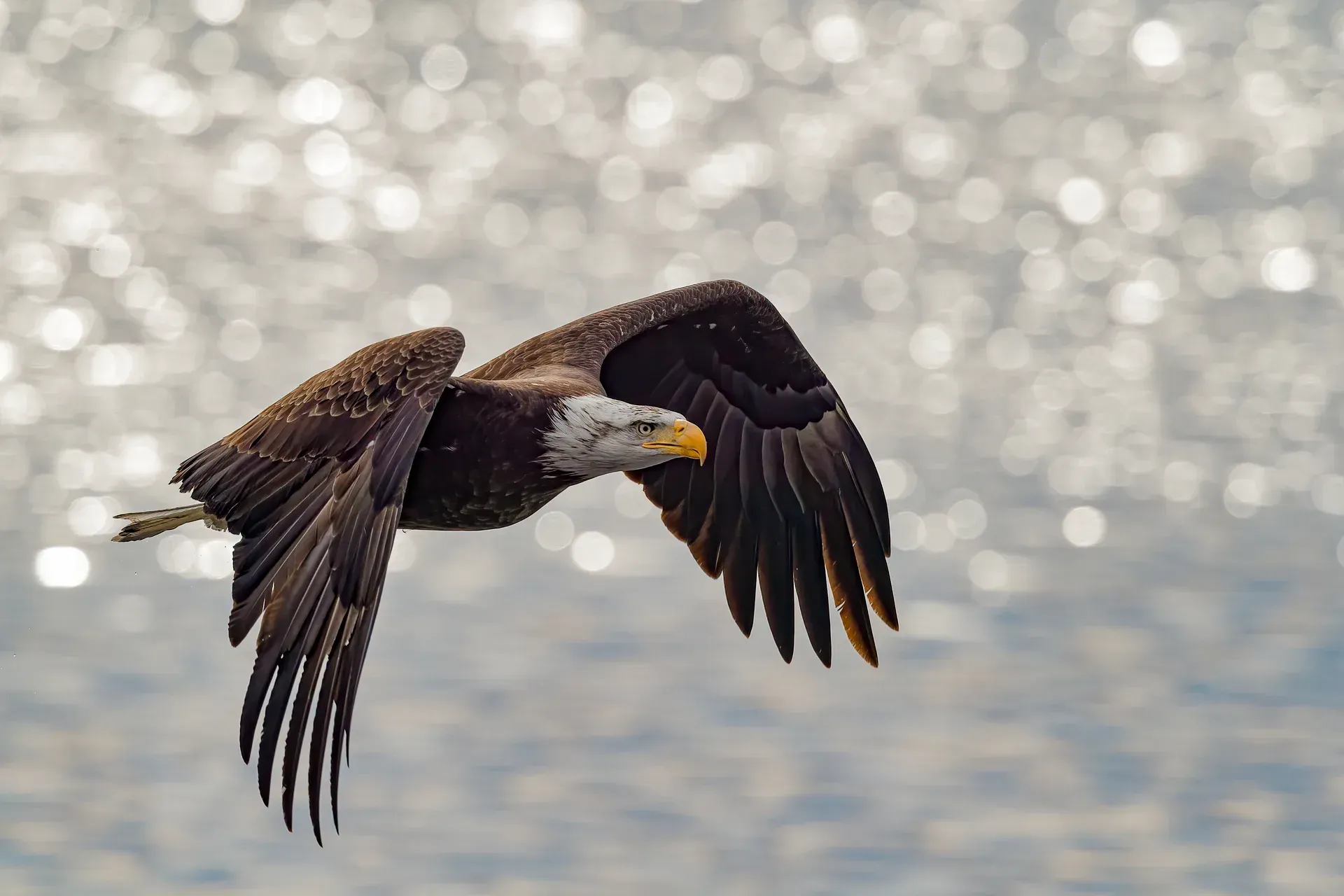
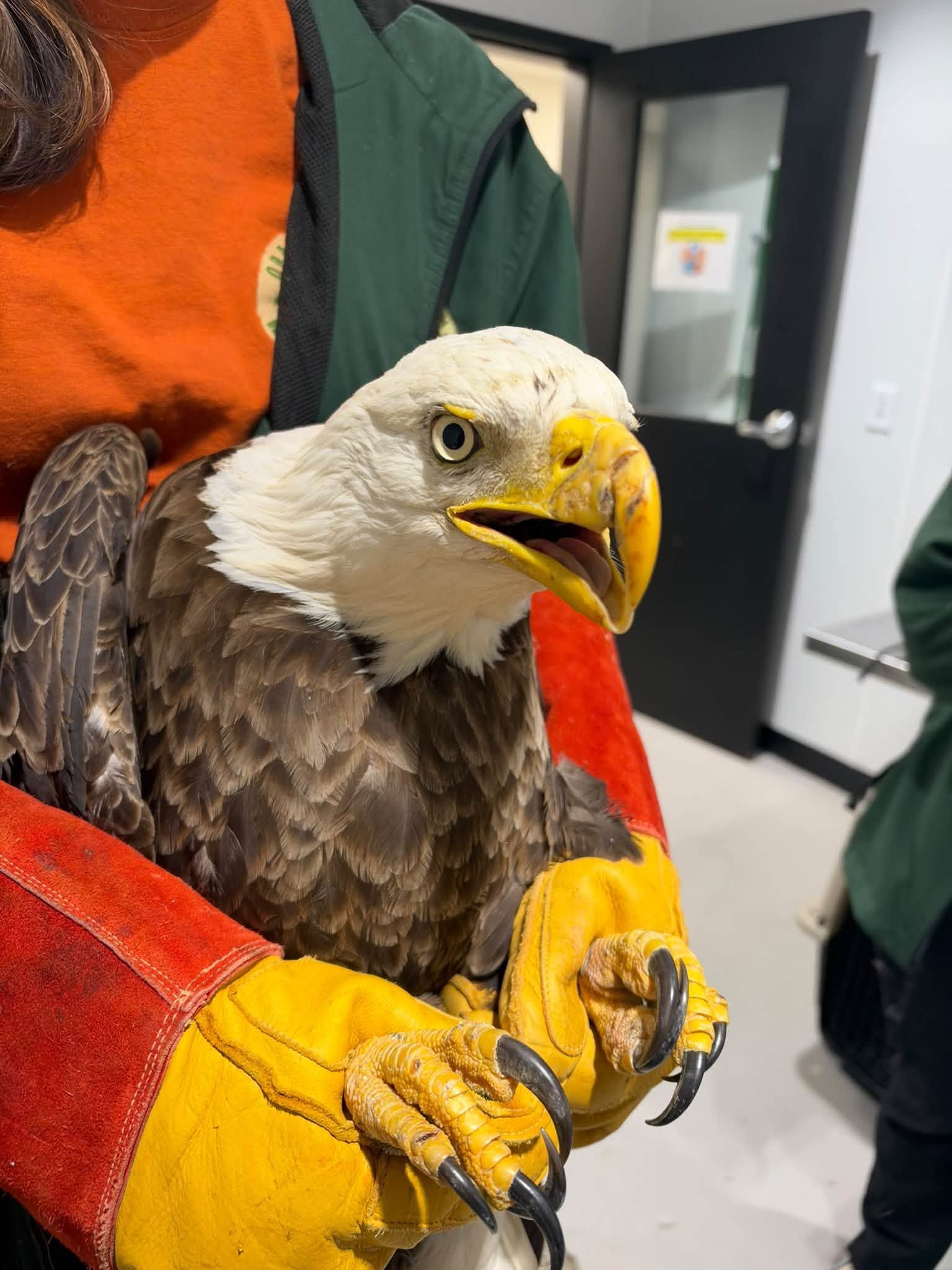
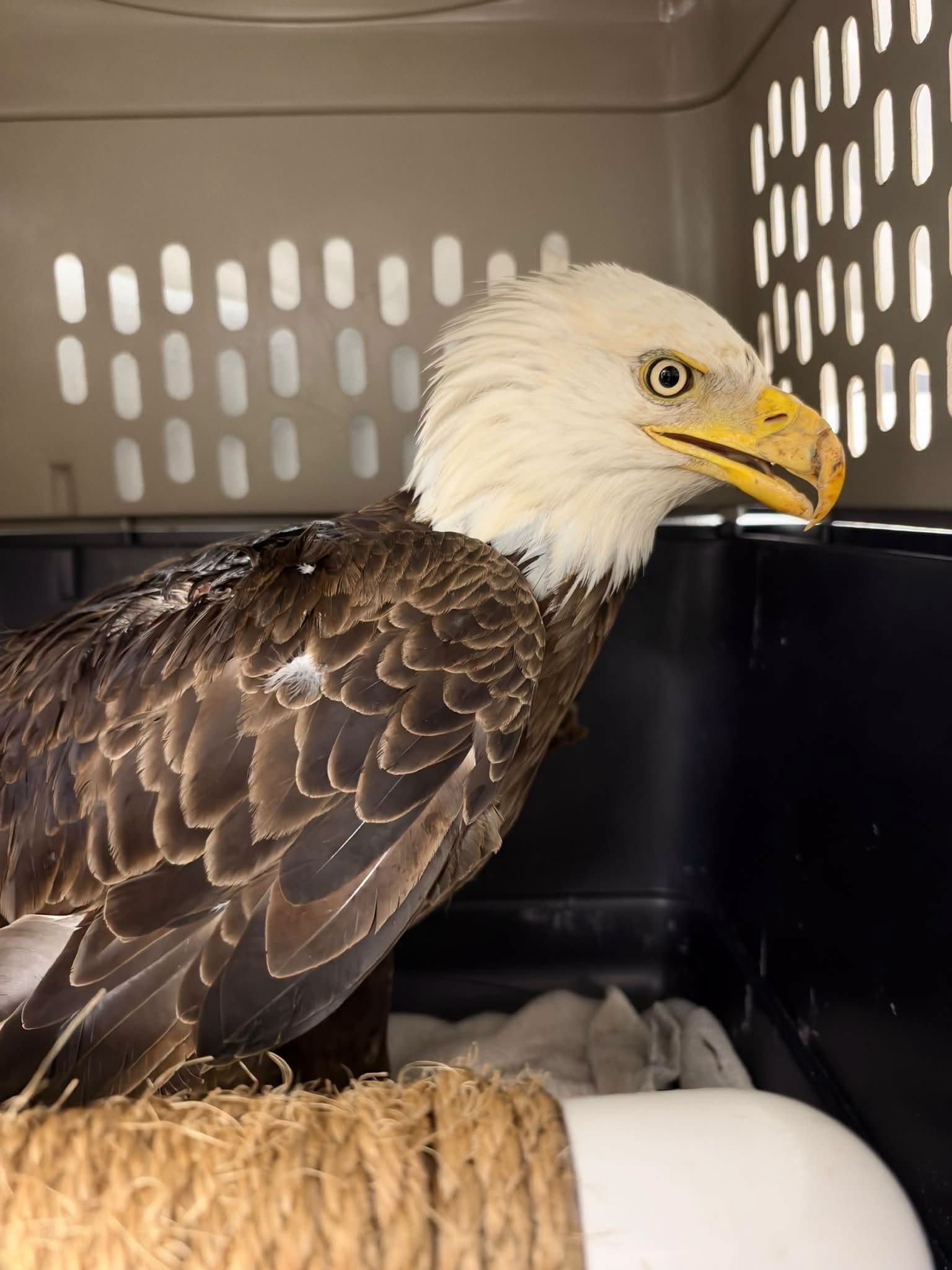
Orange Beach, AL. — (GSN) — The Orange Beach Wildlife Center is providing intensive care for an adult male Bald Eagle, designated as BAEA 26-1635, following a severe territorial dispute. The eagle was admitted on November 25th after being transferred from colleagues at the Environmental Studies Center. He was originally found downed on Dauphin Island with critical injuries to his right wing.
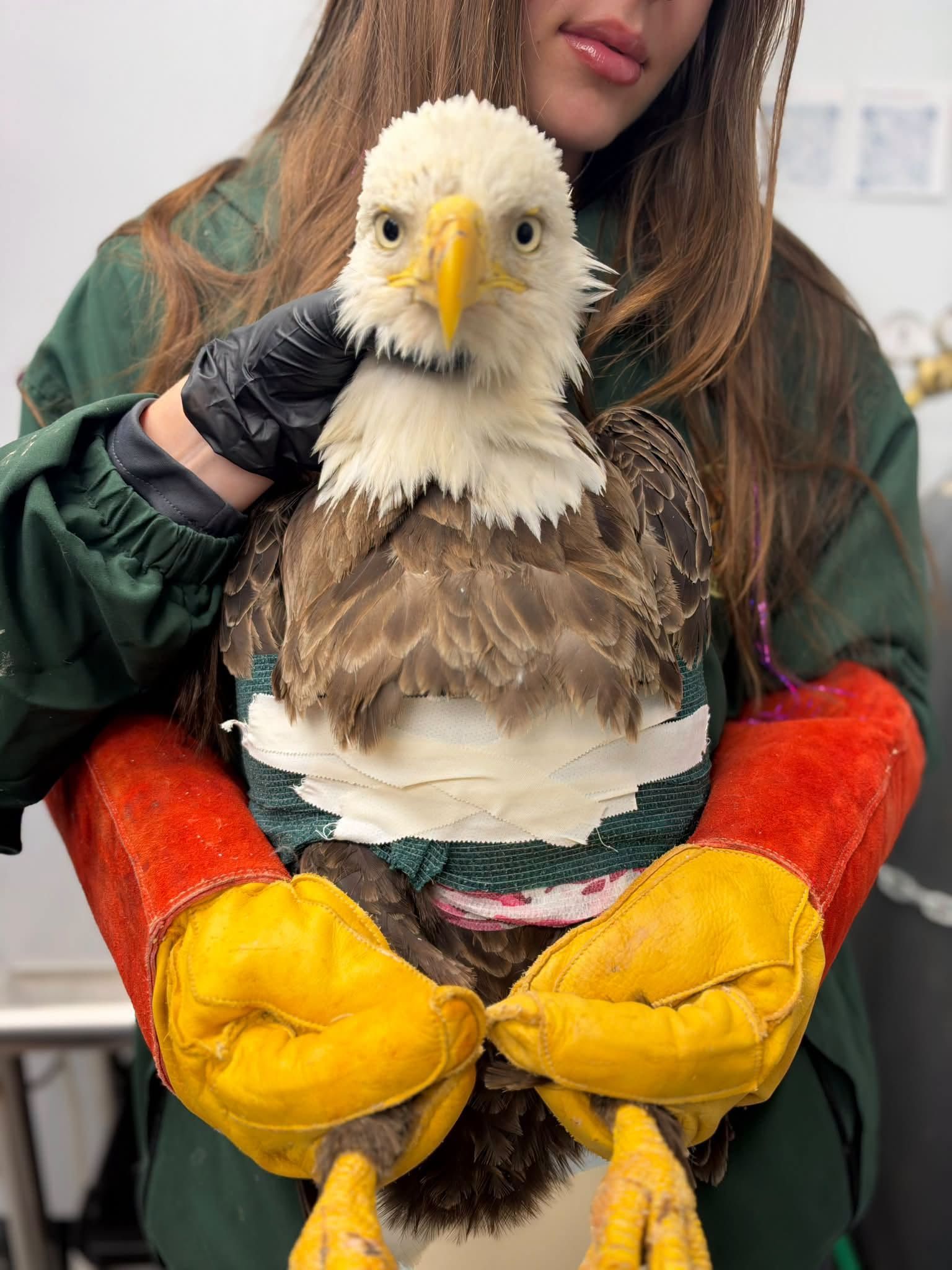
Upon admission, staff noted significant soft tissue damage along his patagium, a bilateral wing droop, moderate dehydration, and blood in his trachea. The wound was several days old, exhibiting necrotic flesh, maggots, and a severe infection. Medical staff highlighted that the injury is in a particularly precarious location right along the patagial tendon, which is essential for flight.
While the eagle's prognosis remains guarded, he is currently resting comfortably while receiving pain medications, antibiotics, fluid therapy, and dedicated wound care. Fortunately, BAEA 26-1635 has maintained a strong appetite and is eating voraciously. The medical team is providing round-the-clock care in hopes of fully restoring his health and returning him to the sky where he belongs.
What began in the late 1990s as a modest local initiative operating with a single animal carrier has since expanded into a vital regional facility. For years, the center operated out of a small historic home, but through a collaborative partnership utilizing local, state, and federal RESTORE Act funding, it transitioned to a state-of-the-art 10-acre campus equipped with specialized flight enclosures, triage and surgery rooms, and advanced diagnostic tools. Having treated thousands of native animals over the past decade, the center has become an essential recovery habitat for injured and orphaned wildlife from across the entire Gulf Coast region.
As the nation enters late November and the holiday season — a time focused on gratitude, stewardship, and hope — there is perhaps no more fitting period to dedicate energy to nursing America's symbol of freedom back to health. Restoring this resilient bird to the skies serves as a reminder of the vital conservation work taking place every day to protect our coastal ecosystem and national heritage.















Recent Posts