Rising Fuel Costs Hit Coastal Shrimpers and Fishing Fleets
R. Peevy • September 24, 2026
Local fishing and shrimping boat owners paying large fuel bills
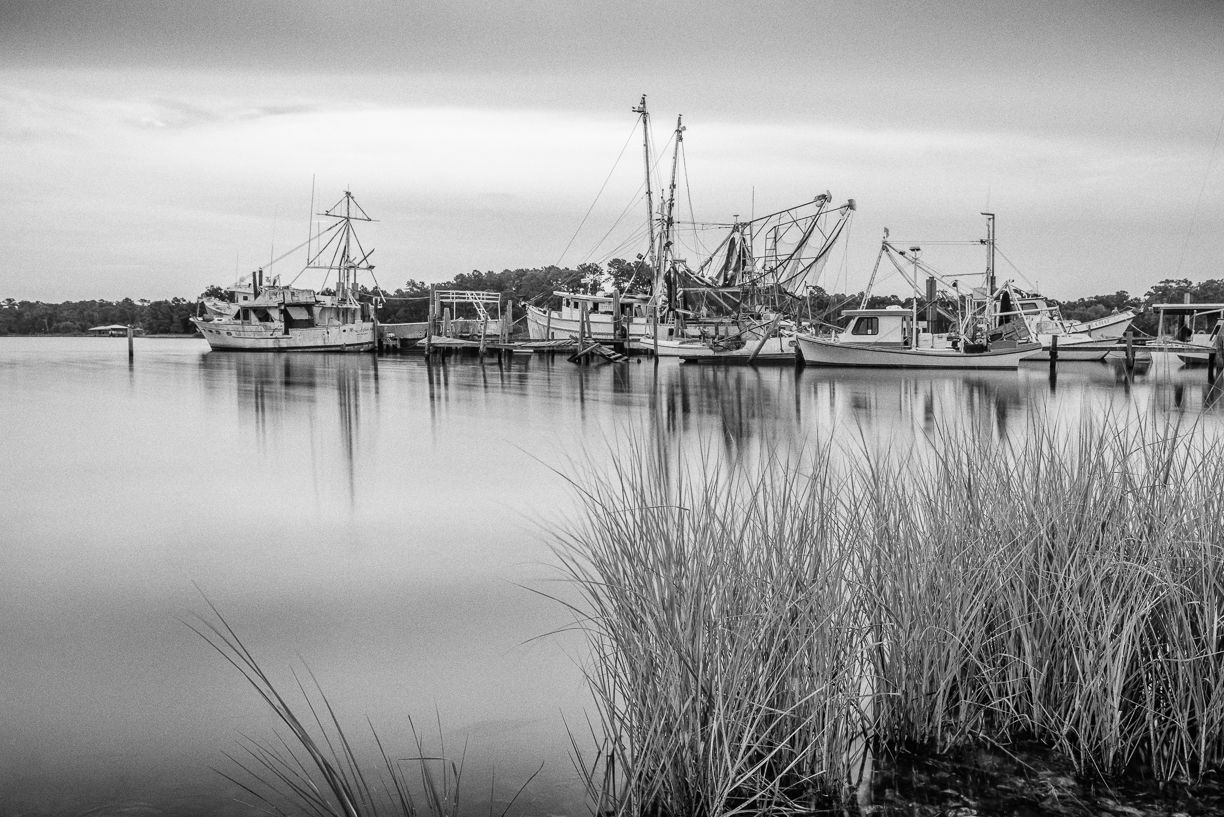
Gulf Shores, Ala. — (GSN) — Rising fuel costs are putting severe financial pressure on commercial shrimpers, deep-sea fishing trawlers, and charter boat operators across coastal communities. Marine diesel prices have experienced sharp surges, in some regions nearly doubling or jumping more than 50% within short windows to exceed $4.50 to $6.50 per gallon at waterfront docks.
Because fuel is not an optional expense, these price spikes threaten the viability of the entire commercial fishing and charter ecosystem. Residents and visitors alike need to keep the cost of seafood in mind during temporary fuel price hike. The market pricing are controlled by many national factors.
The Fuel Crisis for Shrimpers and Deep-Sea Fishing Fleets
- Proportional Expense: Fuel routinely accounts for more than 50% of total operating costs for commercial shrimpers.
- Massive Fuel Capacity: Large Gulf freezer trawlers typically burn between 700 and 12,000 gallons of diesel during multi-week offshore trips. Filling a tank prior to departure can cost vessel owners anywhere from $47,000 to over $60,000 per trip in fuel alone.
- Fixed Market Prices: Unlike other transportation sectors, commercial fishermen cannot instantly raise the wholesale dockside price of seafood to absorb fuel spikes.
- Tying Up at Dock: Operating on razor-thin profit margins means many vessel captains are forced to leave their boats tied to the dock, as heading to sea risks losing money on every trip.
The impact of grounded fishing boats extends far beyond the vessel owners:
- The Economic Multiplier: Every dollar generated by commercial fishermen creates approximately six dollars in the broader coastal economy.
- Supply Chain Disruptions: When boats remain idle, local seafood processing plants, packaging facilities, dockworkers, ice houses, net makers, mechanics, and freight truck drivers suffer reduced work or layoffs.
- Local Seafood Scarcity & Higher Retail Prices: Fewer trips lead to lower landings of wild-caught fish and shrimp. Coastal residents and local seafood markets face higher prices for fresh seafood, and restaurants are forced to rely more heavily on foreign imported farm-raised seafood.
- Tourism and Charter Strain: High fuel surcharges increase the cost of deep-sea charter trips, which can deter recreational anglers and tourists, harming coastal hotels, restaurants, and retail shops.
RELATED ARTICLE: Does Your Favorite Seafood Place Offer Real Gulf Shrimp?
Alabama boasts a rich maritime heritage and operates major fleets
- Shrimp Vessels: Bayou La Batre alone—where approximately 85% of Alabama’s wild-caught shrimp is landed—is home to over 300 licensed fishing and shrimping vessels. Additional commercial inshore and offshore shrimping boats operate out of Coden, Bon Secour, and Gulf Shores.
- Charter Fishing Fleets: Alabama’s Gulf Coast, particularly around Orange Beach and Gulf Shores, features one of the largest charter fishing fleets in the Gulf of Mexico, with more than 100 active charter boats and experienced captains.
Why Fishing and Charter Boats Rely on Diesel
Commercial fishing and deep-sea vessels predominantly use diesel engines rather than gasoline for several critical operational and safety reasons:
- High Low-End Torque: Dragging heavy trawling nets through open water or pushing large, heavy hulls requires immense towing power at low engine speeds. Diesel engines generate significantly higher torque at low RPMs compared to gasoline engines.
- Fuel Efficiency and Extended Range: Diesel engines offer 20% to 30% greater thermal and fuel efficiency than gasoline engines. Because diesel fuel has a higher energy density per gallon, vessels can travel much farther on a single tank, expanding their range for long offshore voyages.
- Safety at Sea: Gasoline produces volatile vapors with a flashpoint of -40°F, creating a severe explosion risk in enclosed engine compartments. Diesel fuel has a much higher flashpoint (between 126°F and 205°F), making it far less flammable and much safer for vessels operating far offshore.
- Engine Longevity & Reliability: Commercial marine diesel engines are engineered for continuous, heavy-duty operation. A well-maintained marine diesel engine typically lasts 5,000 to 8,000+ operating hours before requiring a major overhaul, compared to 1,500 to 2,000 hours for a marine gasoline engine.
- Reduced Maintenance Intervals: Diesel engines require less frequent routine servicing (e.g., 200 hours between services versus 100 hours for gas outboards), decreasing costly downtime for commercial crews.
Beyond the technical and economic metrics lies a essential truth: commercial fishing and charter fleets are the backbone of coastal identity and livelihood. For generations, these independent operators and working-waterfront families have fed our communities, sustained local businesses, and anchored the cultural heritage of the Gulf Coast.
Supporting local watermen—by purchasing domestic wild-caught seafood, booking local charter trips, and backing working-waterfront initiatives—is not just an investment in seafood or recreation. It is an investment in the long-term resilience and prosperity of our entire coastal community.

















Recent Posts