Shell Shocked: Public Reefs Close Early, But Gulf Oysters Stay on the Menu
Gulf Shores News Staff • November 17, 2026
Oyster Season Cut Short Along Alabama Coast
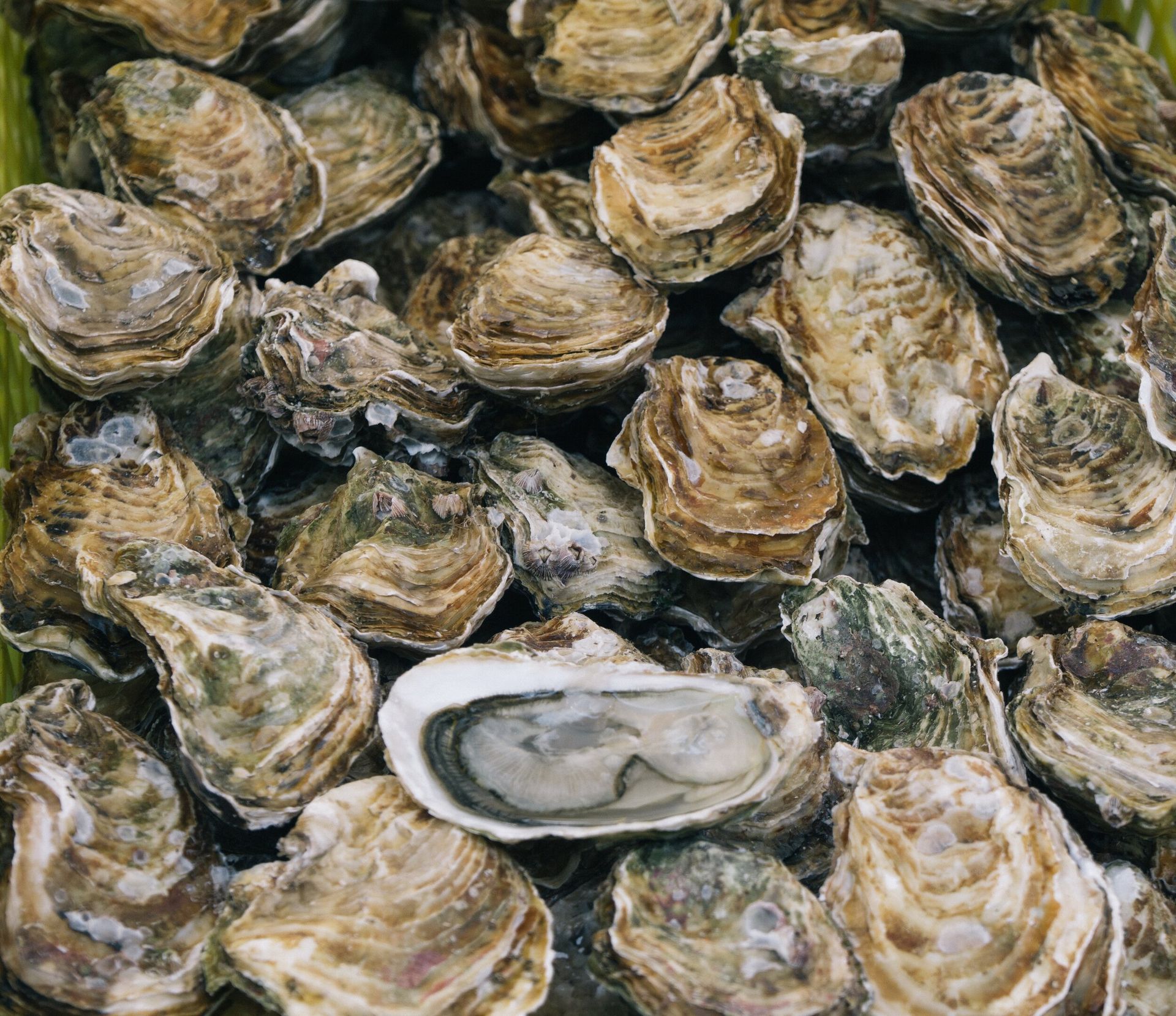
Gulf Shores, AL. — (GSN) — Alabama’s public oyster reefs will close to harvesting on Wednesday, November 18, 2026, marking the conclusion of a brief 12-day season. Opened on November 2, 2026, the public harvest in Heron Bay, Cedar Point West, and Cedar Point East was limited following pre-season surveys by the Marine Resources Division (MRD) of the Alabama Department of Conservation and Natural Resources (ADCNR) that revealed low densities of legal-size oysters.
Commercial landings for 2026 are anticipated to total fewer than 400 sacks, a sharp decline compared to nearly 25,000 sacks harvested in 2024 and 5,000 sacks in 2025. Officials cited ongoing environmental stressors—including fluctuating salinity levels and periods of low dissolved oxygen—which have severely impacted juvenile oyster survival and growth. Because oysters require at least 18 months to reach harvestable size, closing the reefs is essential to protect the remaining spawning stock and allow for multi-year habitat recovery.
Beyond their commercial value, oyster reefs serve as critical ecological infrastructure for coastal waters:
- Natural Water Filtration: A single adult oyster can filter up to 50 gallons of water per day, removing excess nutrients, algae, and organic matter to improve overall water clarity.
- Shoreline Protection: Reef structures function as natural breakwaters, buffering coastal shorelines from wave action, storm surges, and erosion.
- Marine Habitat and Biodiversity: Oyster reefs create complex microhabitats that provide nursery grounds and shelter for numerous marine species, including blue crabs, shrimp, flounder, and redfish.
To support long-term ecological health, ongoing restoration initiatives are active throughout the region. A $10 million project funded by the Natural Resources Damage Assessment (NRDA) Deepwater Horizon Settlement—led by ADCNR in partnership with Auburn University researchers—is assessing larval settlement patterns and water quality dynamics in Mobile Bay and the Mississippi Sound. Additionally, community programs such as the Alabama Coastal Foundation’s shell recycling effort turn discarded shells into foundation material for new reef construction.
Oysters play a central role in driving the Gulf Coast economy and supporting local working waterfronts:
- Seafood Industry Livelihoods: The industry sustains jobs across multiple sectors, including commercial catchers, seafood dealers, processors, distributors, and marine equipment suppliers.
- Culinary Tourism and Events: Regional celebrations—such as the Annual Fort Morgan Oyster Fest, Experience The Oyster at The Hangout, and National Seafood Month observances—draw thousands of visitors annually, boosting local hospitality and retail businesses.
Oysters remain one of the most celebrated items across Gulf Coast dining establishments, including coastal spots such as the Half Shell Oyster House in Foley, Coastal Restaurant, Flora-Bama, Zeke's Restaurant, and Doc's Seafood. Local menus feature a wide variety of traditional and modern preparations:
- Raw on the Half Shell: Served fresh with lemon, cocktail sauce, or mignonette to highlight the natural brininess of the Gulf.
- Chargrilled: Cooked over open flames and topped with garlic butter, herbs, and cheese.
- Southern Fried: Crispy, cornmeal-crusted oysters featured in traditional po'boys or seafood platters.
- Specialty Dishes: Including Pecan-Crusted Oysters, Oysters Rockefeller, and cocktail oyster shooters.
While public water bottoms undergo seasonal closure, local restaurants and seafood markets rely on regional suppliers and sustainable farming operations to meet demand:
- Off-Bottom Aquaculture: Private oyster farms in Alabama—such as Murder Point, Navy Cove, and Admiral Shellfish—utilize floating cages to raise high-quality oysters above the seafloor.
- Year-Round Consistency: Farmed oysters mature in controlled environments that protect them from predators, ensuring a consistent, premium supply for half-shell raw bars throughout the year while wild public reefs recover.
For local oyster lovers, the public reef closure is no reason to worry. Thanks to Alabama's thriving off-bottom aquaculture industry, private oyster farms will continue to supply fresh, high-quality harvests directly to regional restaurants and seafood markets. Fans of the half-shell can rest easy knowing their favorite coastal culinary staple remains readily available while wild public reefs take the time they need to rest and recover.







Recent Posts