Twin Foodborne Outbreaks Tied to Mexican Crops Impact Alabama and the Nation
R. Peevy • August 6, 2026
Salmonella cases reported in parts of Alabama
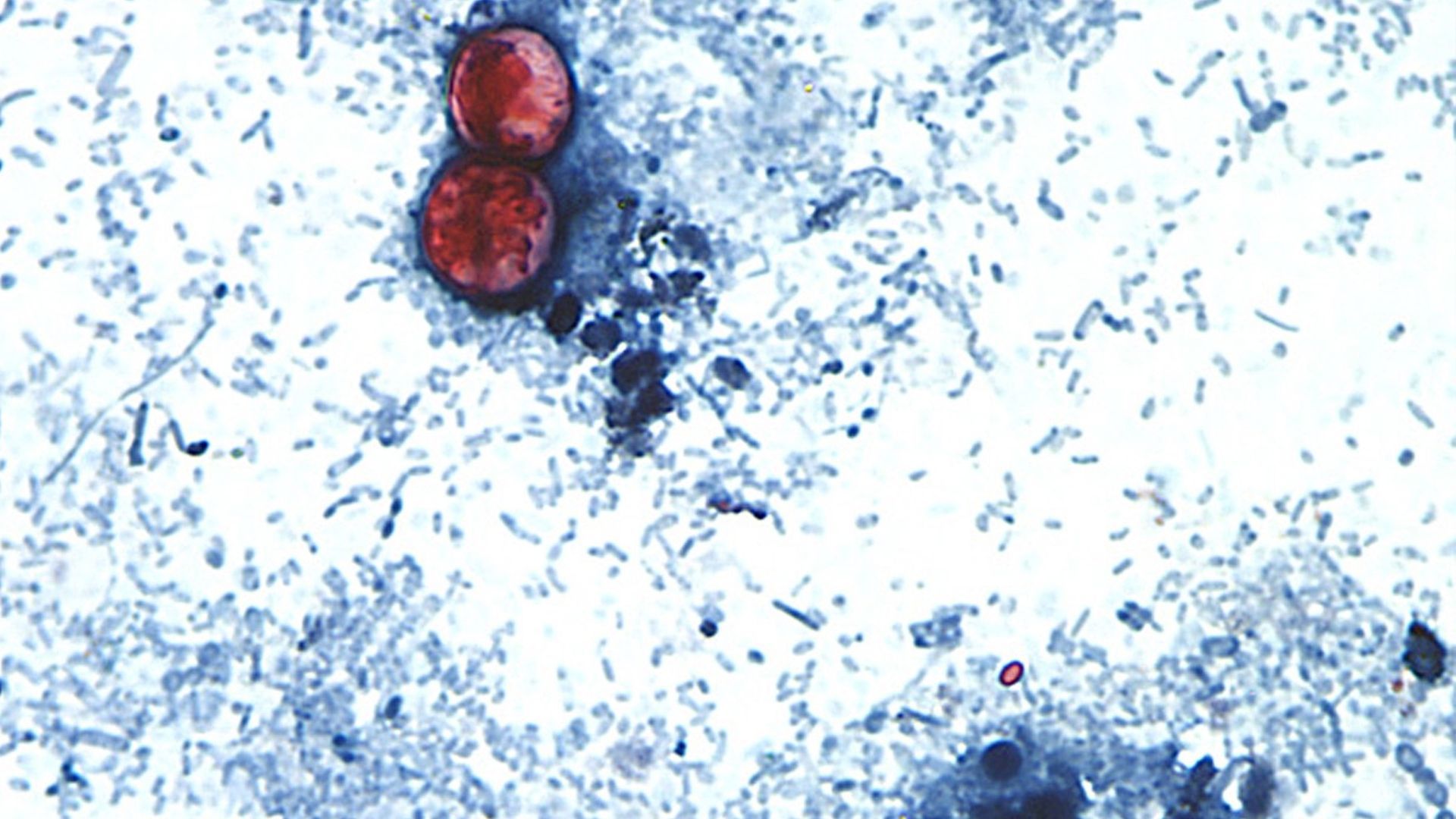
Gulf Shores, Ala. — (GSN) — A successive wave of foodborne illness outbreaks has triggered widespread public health investigations across the United States. Federal and state health agencies are currently managing a massive surge in cyclosporiasis cases alongside a rapidly expanding salmonella outbreak. Both distinct health crises share critical commonalities: they have been traced back to fresh agricultural crops imported from Mexico, and both have impacted residents within the state of Alabama.
The nationwide surge in cyclosporiasis—an intestinal illness caused by the microscopic parasite Cyclospora cayetanensis—began escalating earlier this summer. Federal health officials identified the primary vehicle as contaminated shredded iceberg lettuce sourced from central Mexico and supplied by California-based Taylor Farms. The contaminated lettuce was heavily distributed to fast-food chains, most notably Taco Bell locations across multiple states.
Nationally, the Centers for Disease Control and Prevention (CDC) has tracked a severe spike, warning that total confirmed and suspected cases in the current surge may exceed 18,000 to 20,000 nationwide. The outbreak has led to hundreds of hospitalizations and at least two confirmed fatalities in Michigan.
In Alabama, the caseload has steadily climbed to 85 confirmed cases. The Alabama Department of Public Health (ADPH) identified northern Alabama as the primary hotspot, accounting for 61 of the state’s total cases. While four of Alabama's cases have been directly tied to the multi-state Taco Bell lettuce supply chain, local health officials revealed a more complex environment, linking 22 cases to two separate outbreaks at independent Mexican-style restaurants within the state.
Closely following the initial cyclospora alerts, the CDC and the Food and Drug Administration (FDA) launched a joint investigation into a multi-state salmonella outbreak. This second health crisis has been linked to fresh jalapeño peppers grown in Sinaloa, Mexico, and distributed throughout the U.S. by Coast Citrus Distributors.
The salmonella outbreak has sickened at least 345 people across 27 states, resulting in 36 hospitalizations. Investigators identified several prominent restaurant chains as recipients of the contaminated jalapeños, including Chipotle Mexican Grill and Qdoba. In response, Chipotle transitioned to alternative suppliers on July 20, while Qdoba completely halted the service of jalapeños by July 28. While the FDA notes that current risks from these specific establishments have been mitigated, the broader recall of affected products remains active as officials continue tracing the supply chain.
Both parasites and bacteria present severe gastrointestinal challenges to those infected. Cyclosporiasis typically causes prolonged, watery, and sometimes explosive diarrhea, accompanied by intense stomach cramps, bloating, fatigue, and weight loss. Symptoms generally manifest roughly one week after ingesting contaminated food. Salmonella infections similarly trigger diarrhea, fever, and abdominal cramps, which can escalate to severe dehydration requiring medical intervention.
Public health agencies emphasize that standard consumer food safety measures require strict adherence during these active outbreaks. Health officials note that while thoroughly rinsing fresh fruits and vegetables under running water reduces risk, washing alone does not reliably eliminate the Cyclospora parasite from leafy greens or fresh produce. Instead, the most effective kill‑step to completely destroy the parasite is cooking produce to an internal temperature of at least 158°F (70°C). Consumers are strongly advised to check active recall notices, discard any implicated brand products, and seek professional medical testing if they experience prolonged digestive illness.










Recent Posts