
A Stinging Reminder That It's World Jellyfish Day
K. Cooper • November 3, 2026
Taking the Sting Out of Beach Bummers
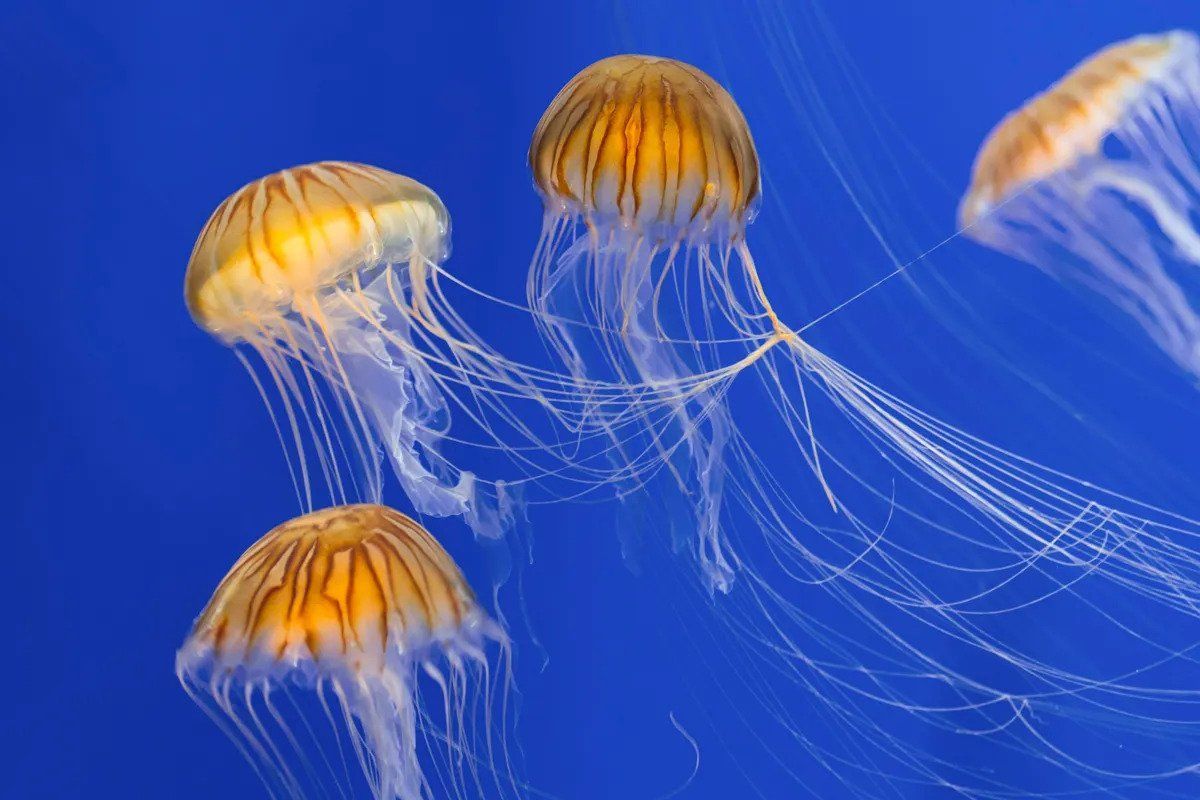
Orange Beach, AL. — (GSN) — World Jellyfish Day highlights these unique invertebrates and promotes marine conservation and public education. While many people associate jellyfish primarily with painful stings, these soft-bodied ocean drifters play an essential role in planetary health, ecological balance, and scientific innovation.
Jellyfish are among the oldest multi-organ animal groups on the planet, having drifted through Earth's oceans for between 500 and 700 million years, predating dinosaurs by more than 250 million years. Composed of roughly 95% water and lacking a central brain, heart, bones, or blood, jellyfish have survived five mass extinction events due to their remarkable evolutionary adaptability across diverse depths and water temperatures.
Far from being mere nuisances, jellyfish contribute significantly to local marine environments and scientific research:
- Keystone Marine Prey: Jellyfish are vital components of marine food webs, serving as a primary food source for a wide variety of species, including sea turtles, sunfish, tuna, sharks, and seabirds.
- Nutrient Cycling: By migrating across different water layers and depths, jellyfish transport essential nutrients such as nitrogen and phosphorus, which are recycled and utilized by other marine life for growth and survival.
- Microplastic Removal: Research indicates that mucus excreted by certain jellyfish species (such as moon jellies) can bind to and trap microplastic particles in the water column, inspiring new bio-filtration systems for ocean cleanup.
- Biomedical Advances: Green fluorescent proteins (GFP) isolated from bioluminescent species like the crystal jellyfish have transformed medical science, paving the way for key breakthroughs in cancer research, neuroscience, and genetics.
So the next time you feel frustrated or sad about stinging jellyfish at local beaches, remember that these waters were theirs long before we were around to write about the pain of their stings. Instead of seeing them as simple beachday nuisances, take a moment to appreciate their incredible history and vital role in sustaining marine ecosystems across the globe.























Recent Posts