Gulf Shores Impact Fees Will Make New Development Help Pay For Infrastructure
R. Peevy • November 3, 2026
Can impact fees help pay for City infrastructure
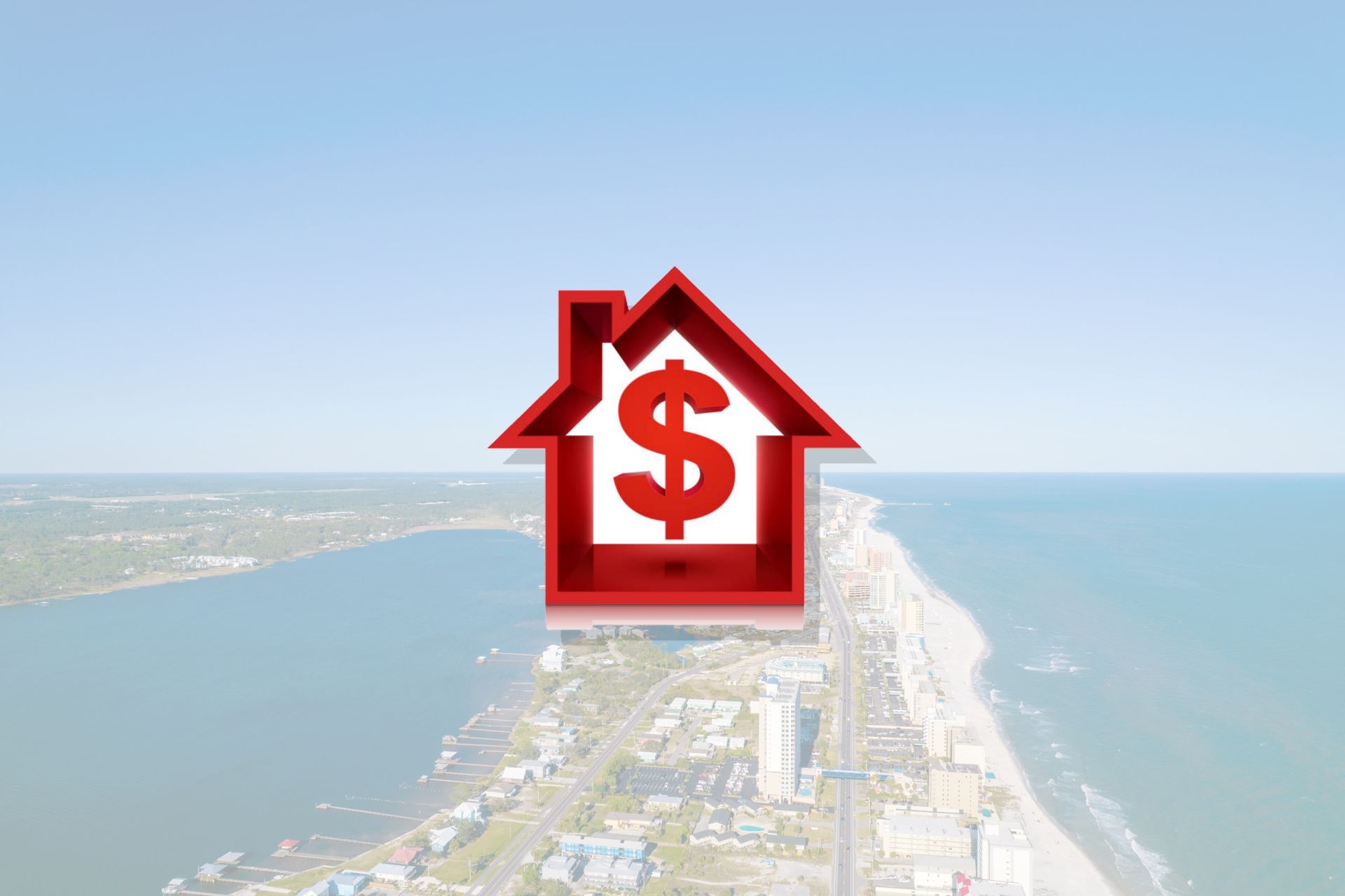
Gulf Shores, AL. — (GSN) — The City of Gulf Shores is advancing a comprehensive update to its impact fee schedule for new development, aiming to ensure that ongoing community growth is properly supported by necessary infrastructure investments.
The proposed update is the first adjustment to the city's impact fee schedule since 2007. Developed following a thorough study by TischlerBise—the firm behind the original 2007 study—the structure evaluates service levels across parks, transportation, schools, police, and fire services to match the city's significant population growth (which has risen from approximately 6,000 to 18,000 residents).
Funds generated from the updated impact fee structure are directly designated to address critical infrastructure demands driven by development. These include:
- Roads and Transportation: Maintaining traffic flow and roadway safety amidst growing transit needs.
- Public Safety: Supporting police and fire services to maintain rapid response times and departmental readiness.
- Schools: Contributing to educational infrastructure needs, an area that was not included in the 2007 fee schedule.
Under Alabama state law, municipalities are strictly prohibited from charging impact fees that exceed 1% of the fair market value of a structure.
While previous impact fees for single-family residential housing were capped at $4,780, the proposed schedule increases the maximum possible cap to $10,000. However, because the 1% fair market value limitation remains fully in effect, a home valued at $500,000 will continue to have its impact fee capped at $5,000. Consequently, there is no effective cost change for homes valued at or below $500,000, with the impact of the increased cap applying primarily to properties valued above $500,000.
This proposed fee structure was thoroughly discussed during the City Council work session meeting on November 2, 2026. The changes will undergo further review at the next council meeting, with a final reading and vote officially scheduled for November 16th.




















Recent Posts