Have You Been Flocked? Audit Logs Go Public
Gulf Shores News Staff • August 16, 2026
Not all, but many databases are searchable online
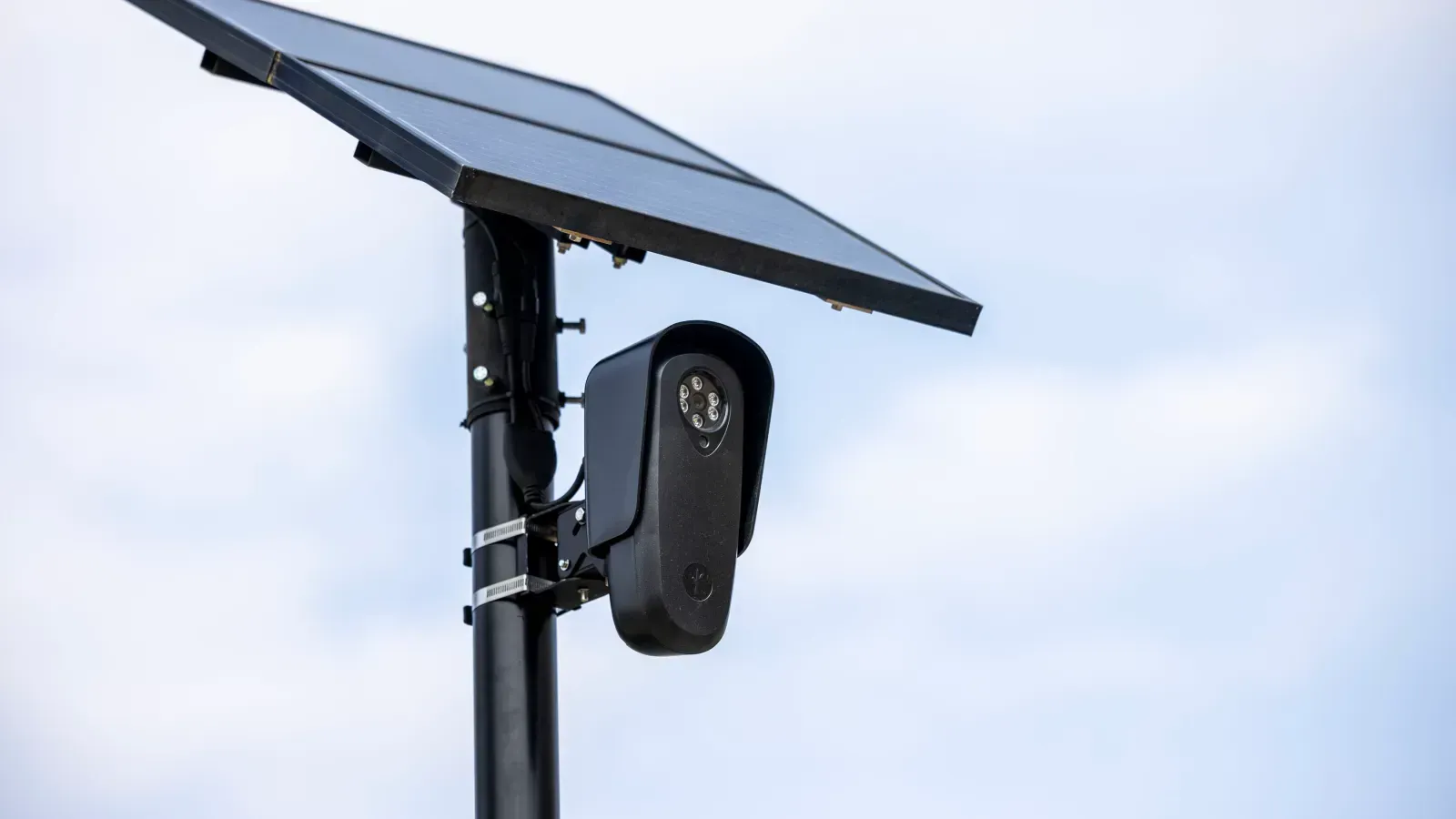
Gulf Shores, Ala. — (GSN) — Automated License Plate Readers (ALPRs) have rapidly expanded across the United States, a phenomenon often referred to as being "Flocked" due to the market prominence of the surveillance technology company Flock Safety. A defining and contentious characteristic of this network is that these AI-powered cameras are primarily installed on public roads, highways, and intersections rather than private properties. This positioning allows the cameras to passively scan, log, and catalog the movements of ordinary citizens utilizing public thoroughfares.
As public awareness grows, grassroots tools have emerged to help citizens understand the scale of local surveillance infrastructure. Drivers can check if their cars have been recorded or searched by visiting the Have I Been Flocked website. (This website is a 3rd party location and not affiliated with any news outlet or Flock cameras)
Although Flock Safety has dominated recent headlines, the foundational technology behind license plate recognition is not a modern invention. License plate reading cameras originally started in 1976, when the technology was invented by the Police Scientific Development Branch in the United Kingdom to combat terrorism, leading to working prototypes by 1979. Over the subsequent decades, advances in machine learning and computer vision evolved these systems from expensive, fixed-base applications into powerful AI tools capable of recording not just plate numbers, but unique vehicle identifiers such as make, model, color, roof racks, and bumper stickers.
RELATED ARTICLE: The Digital Shield: How Modern Camera Technology Is Making Communities Safer
Flock has been heavily featured in the recent news due to mounting bipartisan backlash from civil liberties advocates, citizens, and lawmakers over data privacy and systemic abuse. High-profile scandals involving law enforcement officers misusing the database for personal tracking and stalking, alongside concerns regarding data sharing with federal immigration authorities, have thrust the company into public scrutiny. In an effort to quell these concerns, Flock recently announced platform changes, including shortening its standard data retention window from 30 days to seven days and making search audit tools mandatory for law enforcement users. Nevertheless, dozens of communities nationwide have moved to cancel or suspend their contracts.
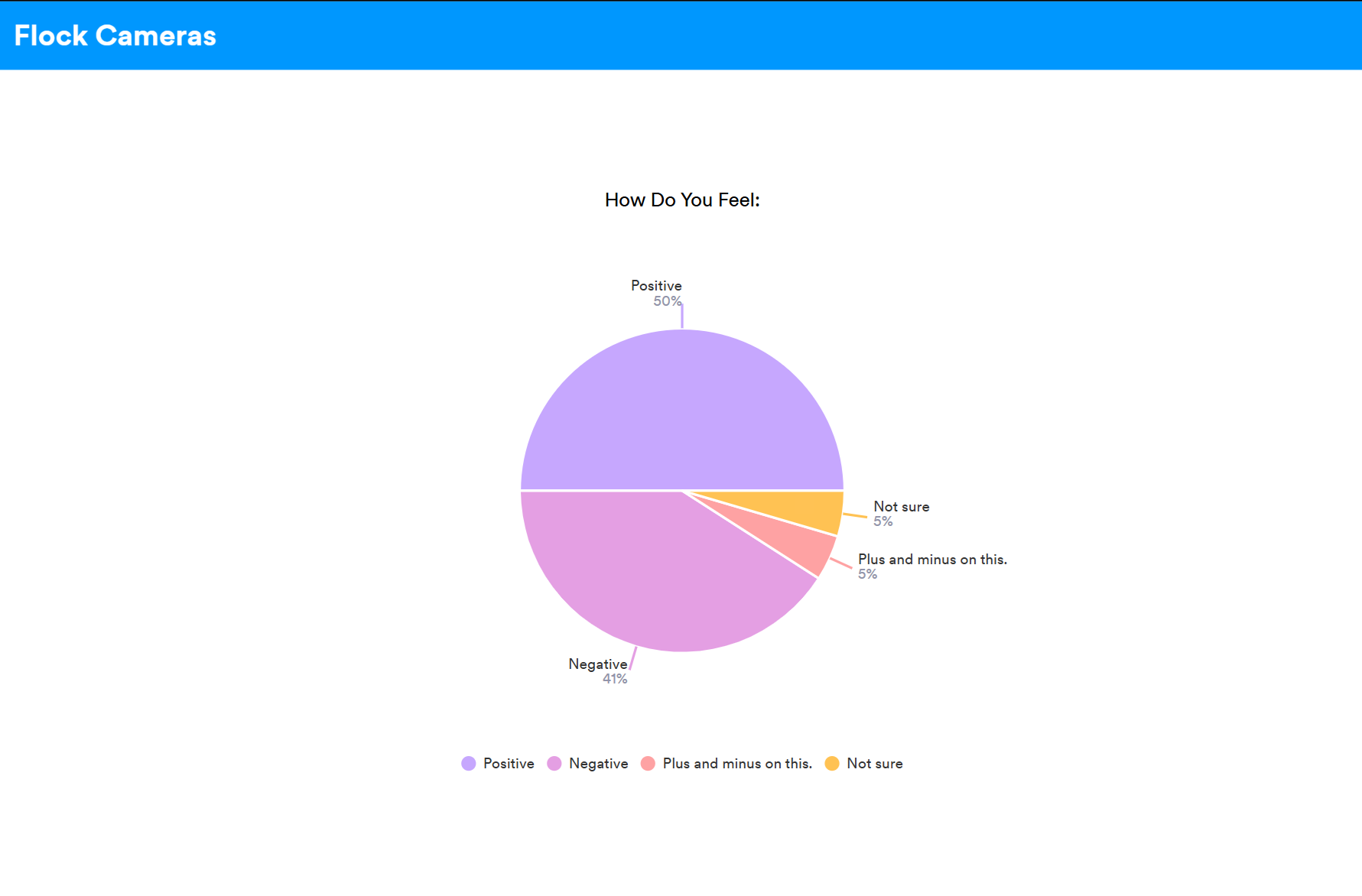
How do you feel about the use of cameras in your community?


















Recent Posts