
The Digital Shield: How Modern Camera Technology Is Making Communities Safer
Gulf Shores News Staff • August 14, 2026
Do the camera systems help provide protection and life-saving time?
Gulf Shores, Ala. — (GSN) — When we think of public video surveillance, we often picture sprawling command centers in major metropolises like New York City or London. However, the true birthplace of municipal street monitoring in the United States belongs to a small town in rural New York called Olean. In September 1968, Olean became the first city to install closed-circuit television (CCTV) cameras along its main commercial downtown street in an effort to monitor public space, protect businesses, and deter crime. At the time, the technology was rudimentary—requiring constant, 24/7 manual observation by the local police department from a bank of dedicated monitors, as seamless video recording features had not yet been popularized.
Since those foundational days in the late 1960s, public and private surveillance infrastructure across the nation has experienced explosive, exponential growth. Today, real-time observation has shifted from bulky, localized analog systems to highly sophisticated, artificial intelligence-driven networks operating on a massive scale.
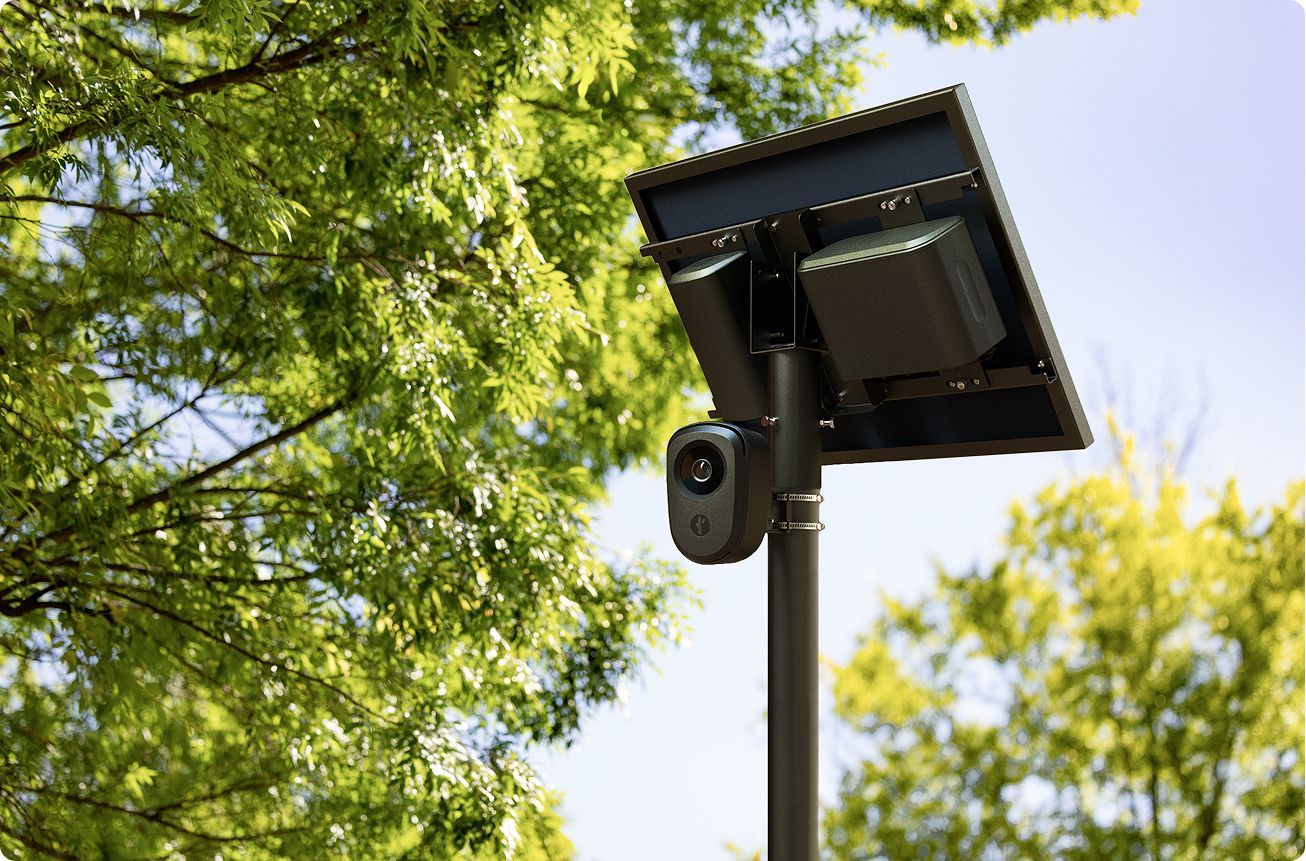
In the current era of public safety technology, Automated License Plate Readers (ALPRs) have become a dominant force. Flock Safety, a prominent manufacturer and operator in this space, now reports that its nationwide network includes more than 120,000 active, AI-powered ALPR cameras deployed across 49 states. This centralized database allows law enforcement agencies to securely share investigative leads and track vehicle movements across municipal and state lines.
Parallel to municipal systems, residential surveillance has created an interconnected safety hub. Current housing statistics indicate that over 68 million American households utilize video surveillance cameras, with reports suggesting there are now over 75 million Ring-style camera systems actively recording the exteriors of homes across the country. These privately owned smart doorbells and outdoor cameras further extend the web of digital visibility from residential neighborhoods straight to the smartphones of everyday citizens.
A clear example of how modern communities utilize this technology can be found in the coastal city of Gulf Shores, Alabama. Operating as a major coastal tourist destination, Gulf Shores deploys these cameras to maintain safety in heavily trafficked public areas.
To address privacy and oversight concerns, the Police Department enforces strict safeguards:
- Auditing and Purpose: Every single query into the system requires a documented law enforcement purpose, backed by periodic department audits.
- Data Retention: The collected data is owned strictly by the city, is not shared unless required for a specific legal case, and is completely purged after 60 days unless needed as evidence.
- Transparency: The city's full ALPR policy is posted directly on its public website for community review.
RELATED ARTICLE: Gulf Shores Police Credit Flock Camera Data In Tracking And Quick Arrest
Chief Netemeyer, of the Gulf Shores Police Department, highlights three specific instances where the deployment of Flock cameras directly benefited public safety and saved lives:
- The March Silver Alert: A dementia patient drove away from a doctor's office in neighboring Robertsdale. Local agencies issued a Silver Alert BOLO (Be On the Lookout) at 12:38 PM. At 1:26 PM, a Gulf Shores Flock camera flagged the vehicle's license plate as entering town jurisdiction. Police officers intercepted the vehicle at 1:38 PM, safely returning the individual to their family within an hour of the initial alert.
- The May Search and Rescue: The son of a 90-year-old woman with early-stage dementia notified the department that his mother was driving alone toward Panama City, Florida, through areas with spotty cellular coverage. GSPD initiated a targeted Flock database query, revealing her exact route and mapping the cameras she was approaching. GSPD immediately coordinated with the Florida Highway Patrol, allowing a nearby trooper to safely stop the woman within 8 minutes of her son contacting the police.
- The July Stolen Vehicle Pursuit: A stolen out-of-state vehicle entered the city and immediately triggered multiple alerts on local Flock cameras. Officers verified the plate and vehicle description visually. Although the suspect initially fled a traffic stop—causing officers to terminate the high-speed pursuit to protect the public—the vehicle continued to trigger hits on Flock cameras as it moved through the city. Officers tracked it to a local Walmart parking lot, where the suspect fled on foot before being captured. The stolen vehicle was successfully recovered along with additional evidence of criminal activity.
From the eight stationary cameras monitoring downtown Olean in 1968 to the seamless, multi-state digital networks of today, public street video feeds have completely reshaped how law enforcement protects local communities and manages public safety.
As technology continues to evolve at a rapid pace, changes in how society manages community safety and public spaces are inevitable. While the expanding scale of modern surveillance infrastructure can present valid challenges, these advancements can serve as a powerful force for good when guided by strict oversight and adaptable regulations. By continuously auditing system usage, adjusting data retention policies, and maintaining a high standard of public transparency, communities can successfully harness the life-saving potential of these tools while actively safeguarding individual liberties.























Recent Posts