Local Burger Business Is Changing
R. Peevy • June 20, 2026
Local fast food burgers are changing who rules Burger Wars
Gulf Shores, Ala. – (GSN) – The landscape of American fast food is shifting. While the "big boys" of the industry—legacy chains like McDonald’s and Burger King—still command vast real estate and brand recognition, consumer loyalty is increasingly drifting toward regional powerhouses. These smaller, more focused chains are winning by emphasizing what the giants often sacrifice in their pursuit of scale: specific identity, ingredient quality, and a commitment to a "non-corporate" dining experience.
Two local fast-food standout examples, Culver’s and Whataburger, illustrate how regional chains are effectively holding their own against national titans. Both have locations along the Baldwin coast and their long drive-thru lines prove the locals preference.
Then we have the favorite local dine-in burger locations like Bleus Burger, Bama Burger and Pirates Cove. Consistently these locations rank high in polling of locals.
RELATED: Top 10 Burgers Survey In Gulf Shores
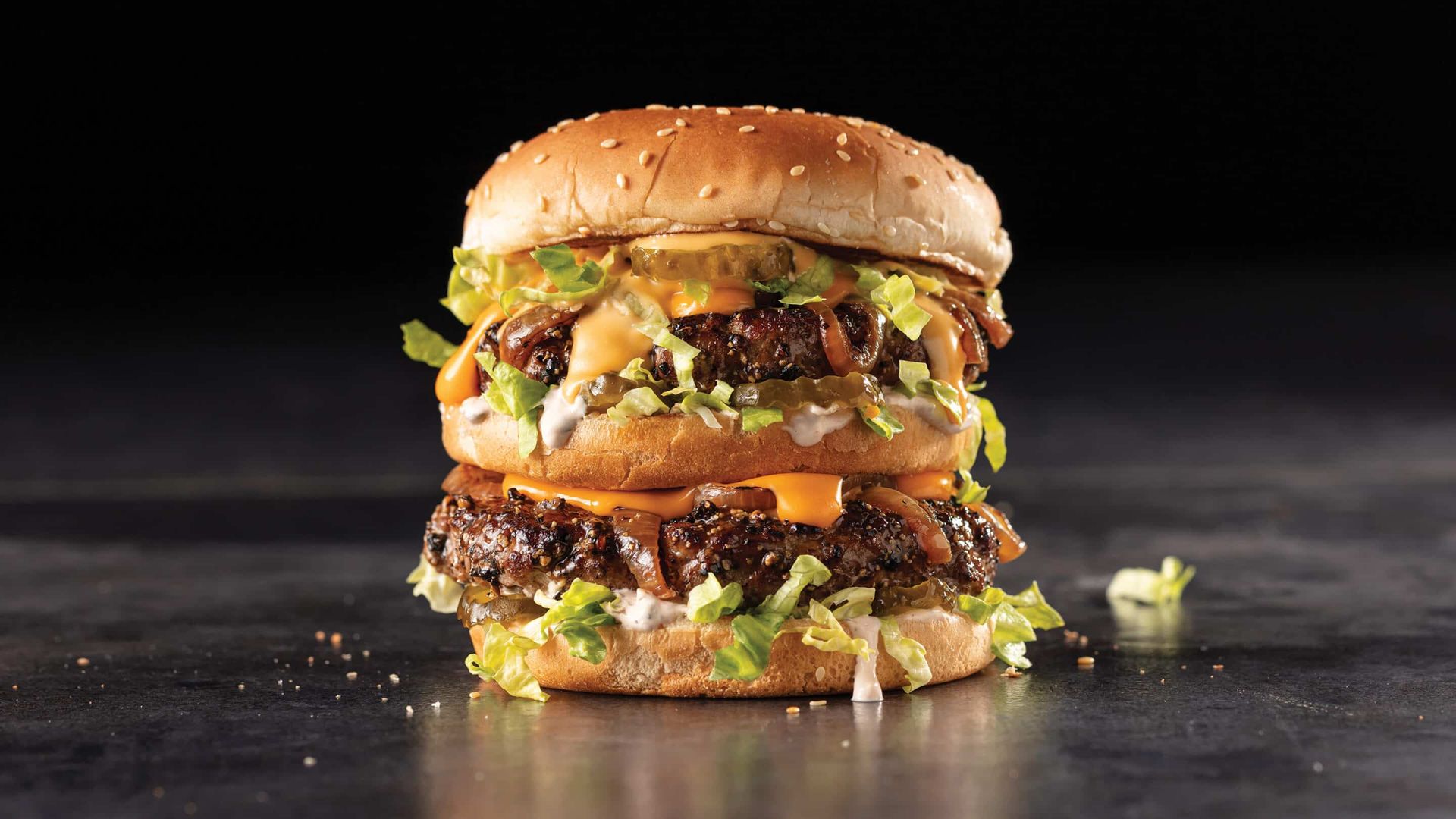
While McDonald’s often competes on rock-bottom price points, Whataburger’s strategy leans into size and substance. Their burgers are notably larger than the standard fare at many major chains, offering a "restaurant-quality" experience that feels more substantial than the typical fast-food meal. This has helped them command intense regional devotion, particularly in the South, where they are often cited as a premier "export" of Texas.
Culver’s success highlights a clear consumer preference for "made-to-order" freshness over the assembly-line efficiency that defines many national competitors. While mega-chains like McDonald’s focus on speed and volume, Culver’s has fostered a "Midwestern loyalty" that is increasingly rare in the fast-food space.
The "big boys" are often trapped by their own scale, needing to maintain consistency across thousands of global units, which frequently results in standardized, commoditized food. In contrast, regional chains lean into their identity—whether it’s the nostalgic, retro-feel of a "steakburger" or a specialized menu of fried fish and custard.
Ultimately, these regional chains aren't just selling burgers; they are selling a specific, reliable experience that the national giants are struggling to replicate. For the modern diner, the choice is increasingly clear: they would rather spend their money at a place that treats their meal as a craft, rather than just a product of a global supply chain.



















Recent Posts