Lunar Eclipse Visible Over The Gulf This Week
K. Cooper • August 26, 2026
Near-Total Lunar Eclipse Visible Over Coastal Beach Towns This Week
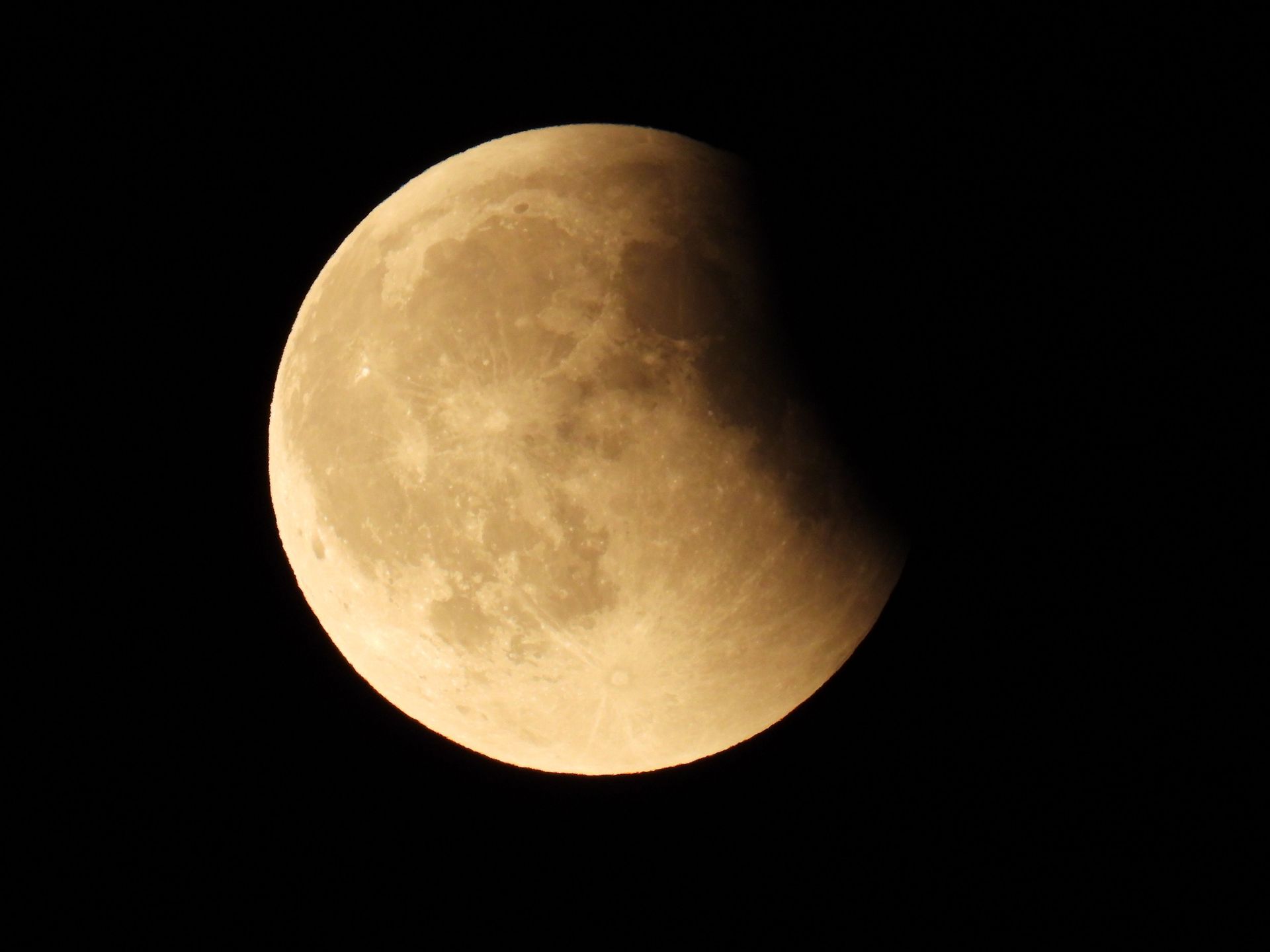
Orange Beach, Ala. — (GSN) — Night-owl beachgoers in coastal beach towns can enjoy a special treat this week. A near-total lunar eclipse will take place Thursday night, and watching it over the ocean shoreline makes it even better. You don't need any special glasses, making it one of the easiest celestial events to relax and enjoy. Plus, with a clear, unobstructed view of the southern horizon along the shoreline, sky enthusiasts in coastal areas are set for a stunning sight.
The eclipse occurs on Thursday night, Aug. 27, and extends into the early hours of Friday, Aug. 28. The penumbral phase begins at 8:23 p.m. CDT, and the partial phase—when the moon enters Earth's darkest shadow—starts at 9:33 p.m. CDT. Peak darkness will occur at 11:12 p.m. CDT, when about 93% of the moon's face is covered by Earth's umbra. According to TimeandDate.com, the eclipse coincides with one of the deepest partial eclipses in recent memory, with up to 96.2% of the moon's surface darkened at maximum. The partial phase wraps up at 12:51 a.m. Friday, and the penumbral phase officially ends at 2:01 a.m. CDT.
August's full moon is traditionally called the Sturgeon Moon, a name rooted in Indigenous and colonial-era traditions tied to seasonal fishing patterns.
During a partial lunar eclipse, sunlight bends through Earth's atmosphere and illuminates the moon's shadowed portion. This effect can turn the moon's surface a rusty red, orange, or copper color—creating a spectacular "blood moon" appearance even though the eclipse is not fully total.
Beach towns offer some of the best viewing spots. Away from heavy tree cover and tall inland buildings, the coastal shoreline provides a wide, unobstructed view of the southern horizon. The moon rises in the east and climbs well above the horizon before reaching its peak around 11 p.m.
While binoculars or a small telescope will enhance the view, neither is required to enjoy the show. Unlike a solar eclipse, looking directly at a lunar eclipse poses no risk to your eyes.
Cloud cover remains the main concern for visibility, so checking the local beach and marine forecasts closer to Thursday, Aug. 27 is highly advised.
This eclipse follows the total solar eclipse on Aug. 12, 2026. Because solar and lunar eclipses typically occur in pairs during the same eclipse season, those in coastal beach towns who missed the solar event have a wonderful second chance to witness a memorable celestial display.

















Recent Posts