Rigs To Reefs Program Allows Second Life For Drilling Rigs In Gulf
Gulf Shores News Staff • September 20, 2026
How Offshore Steel Becomes a Marine Oasis
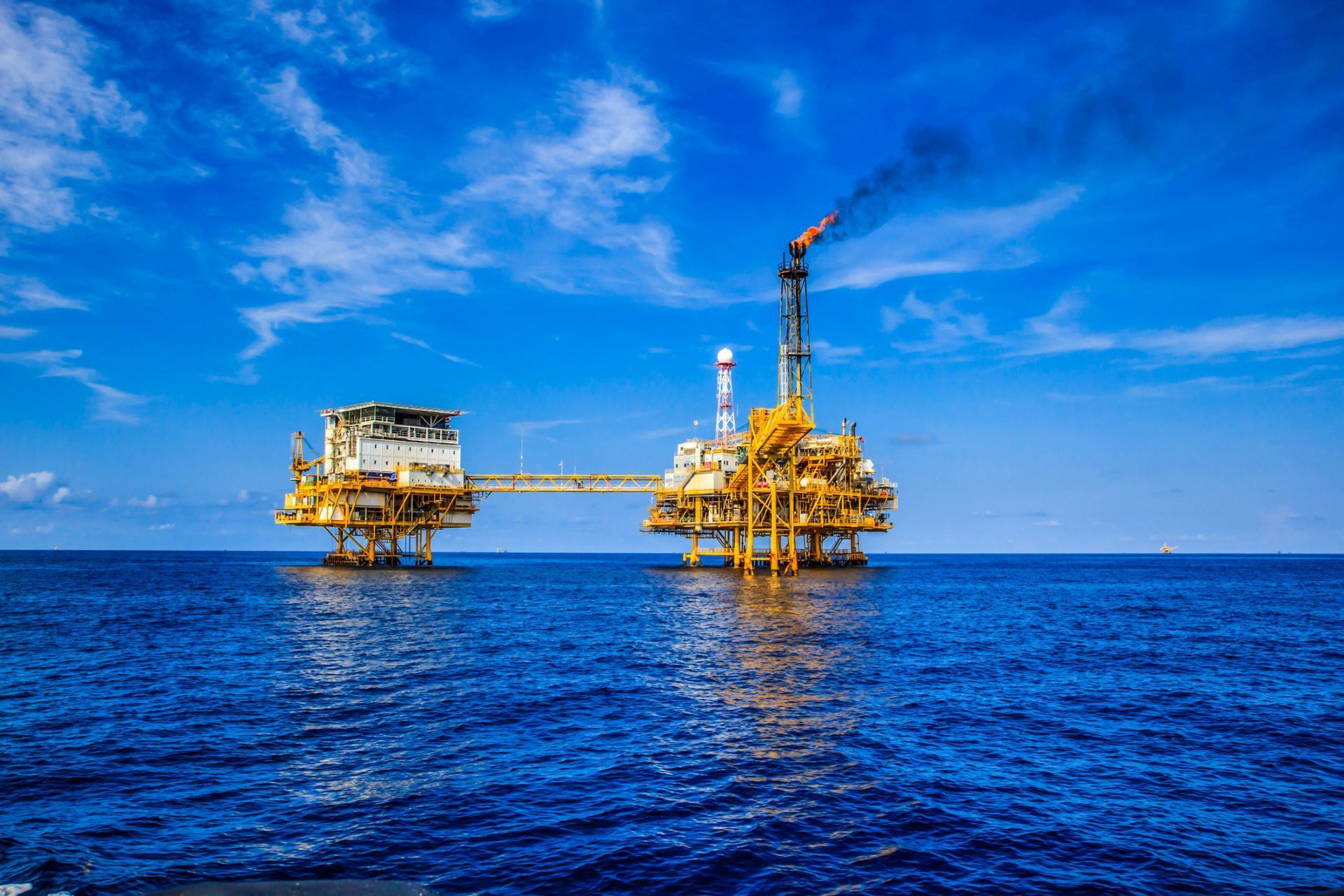
Gulf Shores, Ala. — (GSN) — The relationship between the offshore energy industry and coastal ecosystems along the Gulf of Mexico has long been complex and fraught with tension. On one hand, offshore oil and gas platforms carry inherent environmental risks, where catastrophic failures can inflict decades of ecological and economic harm on coastal communities. On the other hand, these massive steel structures—once retired—can be transformed into vibrant marine habitats that enhance biological diversity and support coastal fisheries.
The Ecological Toll: Historical Context of Offshore Drilling Damage
The risks associated with offshore energy extraction are deeply embedded in the history of the Gulf Coast. Industrial accidents and oil spills have historically posed severe threats to marine life, delicate marsh ecosystems, and white-sand shorelines.
The most prominent example remains the 2010 Deepwater Horizon oil spill, which released millions of barrels of oil into the Gulf of Mexico. The disaster caused widespread environmental damage across Alabama's coastal waters, severely harming marine mammals, sea turtles, beach-nesting bird populations, and delicate oyster reefs.
The long-term recovery from such industrial impacts has required extensive mitigation efforts:
- Natural Resource Damage Assessment (NRDA): Millions of dollars in fines and legal settlements have been directed into state restoration programs. These funds directly support marine debris removal along shoreline habitats, large-scale oyster cultch plantings, and coastal wetland revitalization.
- RESTORE Act Implementation: Federal legislation passed in 2012 established mechanisms like the Alabama Gulf Coast Recovery Council to fund regional ecosystem restoration, coastal flood protection, and economic recovery projects.
- GOMESA Revenues: Under the Gulf of Mexico Energy Security Act (GOMESA), a portion of qualified offshore energy leasing revenues is shared with Gulf states to fund ongoing shoreline protection, water quality improvements, and coastal conservation initiatives.
While revenue and mitigation funds help repair past damage, the physical presence of offshore infrastructure presents a secondary opportunity once oil and gas extraction ceases.
Steel into Reefs: The Bright Side of Offshore Infrastructure
When offshore platforms reach the end of their operational lifespan, traditional regulations often require energy companies to completely remove the structures and bring them onshore for scrapping. However, over decades of operation, the underwater jackets and legs of offshore platforms naturally become bustling aquatic habitats. Known colloquially as "islands of life," these submerged steel frameworks provide hard substrate for corals, sponges, and invertebrates, which in turn attract complex food webs including reef fish, pelagic predators, and sea turtles.
To preserve these thriving ecosystems, Alabama established its Rigs to Reefs program in 2013 under the leadership of current Alabama Department of Conservation and Natural Resources (ADCNR) Commissioner Chris Blankenship (who then served as Marine Resources Division Director). The program allows decommissioned platforms to be donated to the state's artificial reef program rather than being dismantled and removed.
Decommissioned platforms offer distinct advantages over temporary artificial reef materials:
- Extreme Durability: Offshore platform jackets are built to withstand severe Gulf weather and can maintain structural integrity as functioning reefs for over 50 years. Legacy sites such as Marathon Reef and Swingle Reef—established from retired rigs in 1983—remain highly productive marine habitats over four decades later.
- Vertical Relief: Unlike low-profile bottom materials, tall rig structures extend high into the water column, supporting biological life across multiple depth strata.
- Corporate Funding for Management: In addition to donating the physical structure, energy companies are required to contribute monetary donations to ADCNR's Marine Resources Division (MRD) to support research, habitat monitoring, and marine resource management.
Case Study: Repurposing the Spirit VK 780A Rig
A clear demonstration of the "Rigs to Reefs" concept in action is the repurposing of the decommissioned Spirit VK 780A natural gas rig. Located roughly 60 nautical miles south of the Sand Island Lighthouse, the platform was donated to Alabama's Artificial Reef Program through a cooperative agreement between its former owner, APA Corporation, and ADCNR. Alongside the structure donation, APA Corporation contributed $1.5 million to MRD to support long-term marine management and monitoring efforts.
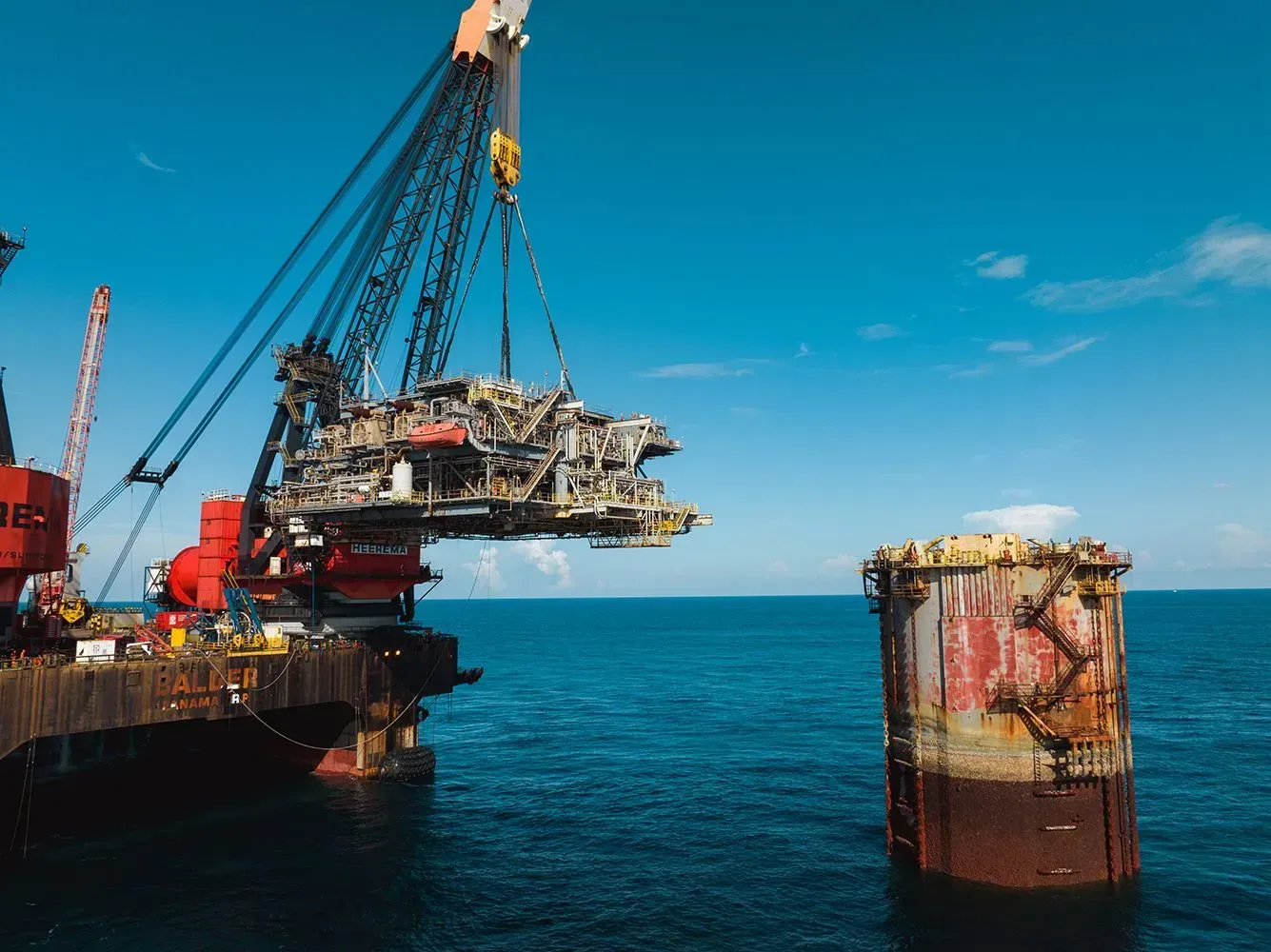
To create new reef habitat while ensuring safe maritime navigation, the top platform portion of the rig was removed and towed onshore for decommissioning. The remaining platform legs and well jacket were cut 90 feet below the water's surface, creating two distinct, highly productive artificial reef sites within a newly established 400-square-foot reef zone:
- VK 780-T (Top Portion Reef Structure): The upper section of the rig was relocated to 206 feet of water within the Tatum Winn South reef zone. Measuring 85 feet by 77 feet and rising 107 feet off the seafloor, this massive rectangular reef provides expansive vertical habitat.
- VK 780-B (Base Portion Reef Structure): The original base of the platform remains in 722 feet of water, towering 632 feet upward from the ocean floor. Leaving the base in place preserved the mature biological communities that had been developing on the structure since its installation in 1998.
The history of oil and gas production in the Gulf of Mexico serves as a reminder of the delicate balance between energy resource development and environmental conservation. While operational disasters highlight the critical need for strict regulatory oversight and habitat restoration funding, programs like Alabama's Rigs to Reefs demonstrate how industrial infrastructure can be repurposed for lasting ecological benefit. By converting retired platforms like Spirit VK 780A into thriving marine sanctuaries, coastal managers continue to expand the nation's largest artificial reef system, supporting local marine life and coastal fisheries for generations to come.










Recent Posts