Shifting Sands: The Rising Tide Against US Shorelines
R. Peevy • August 10, 2026
American beach towns fight the loss of local sands
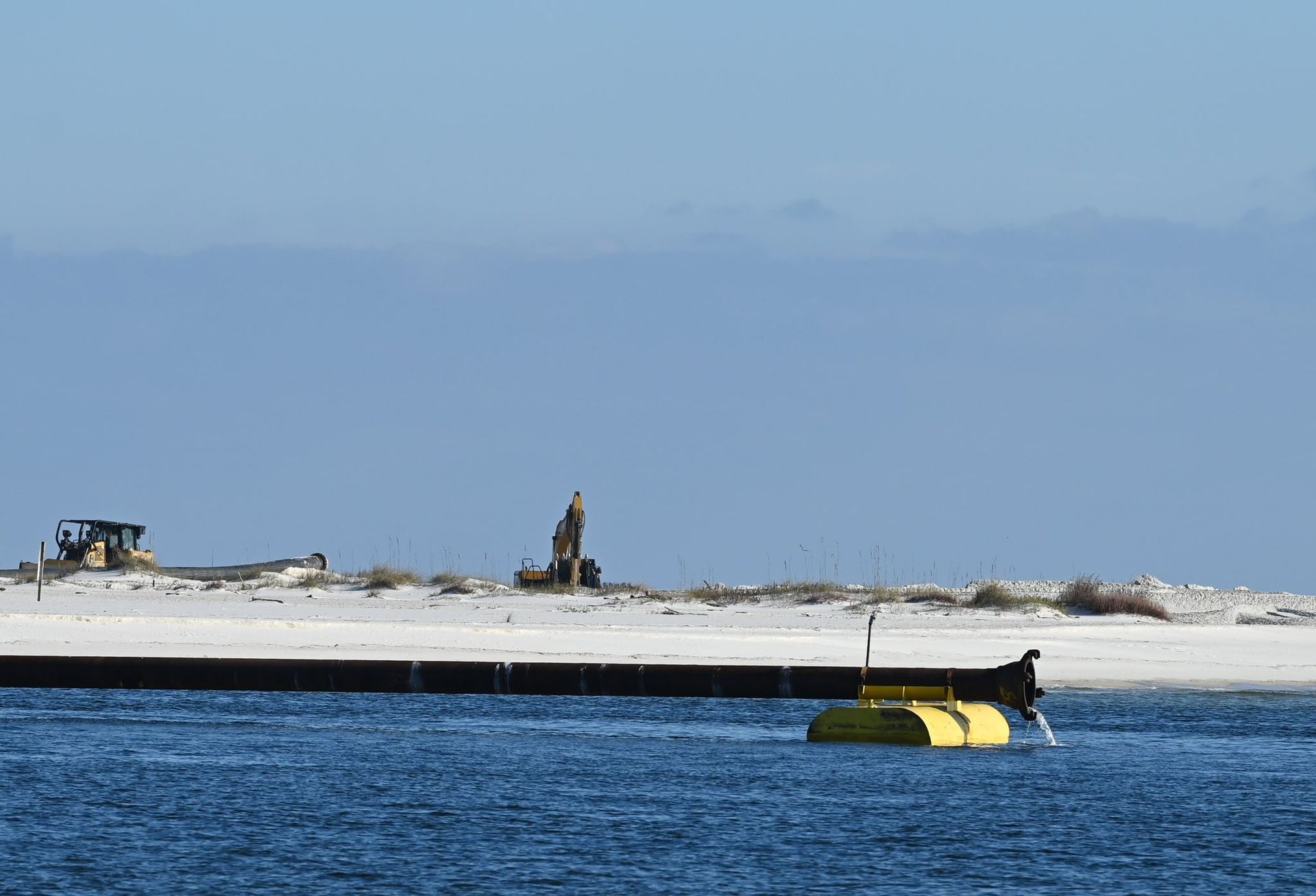
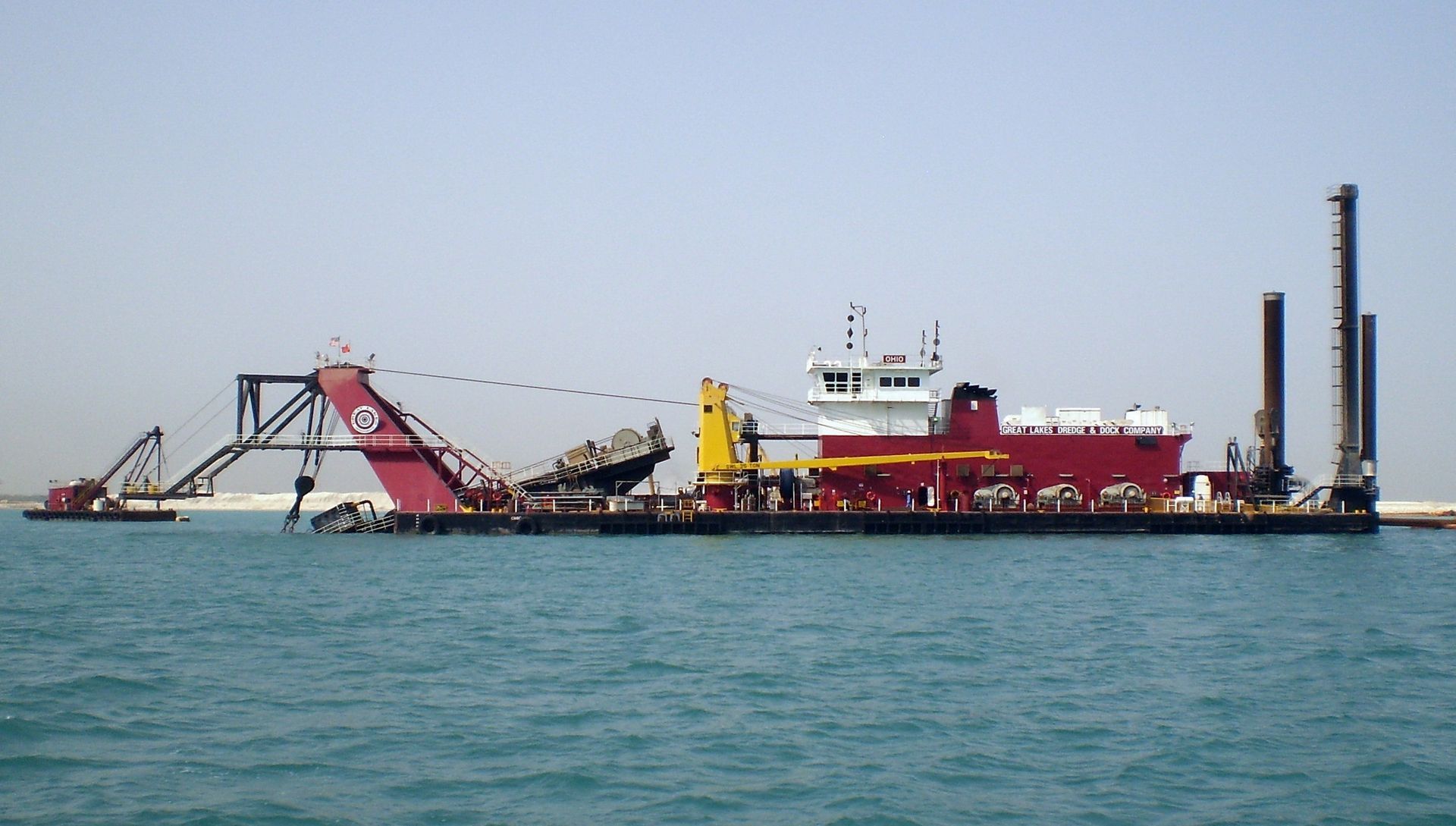
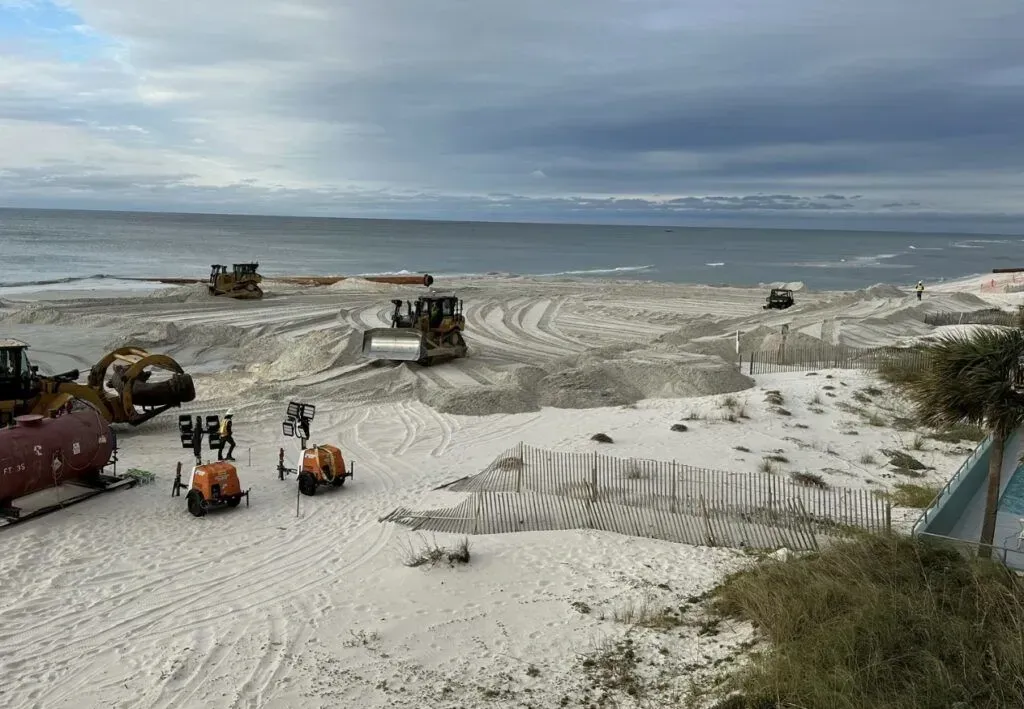
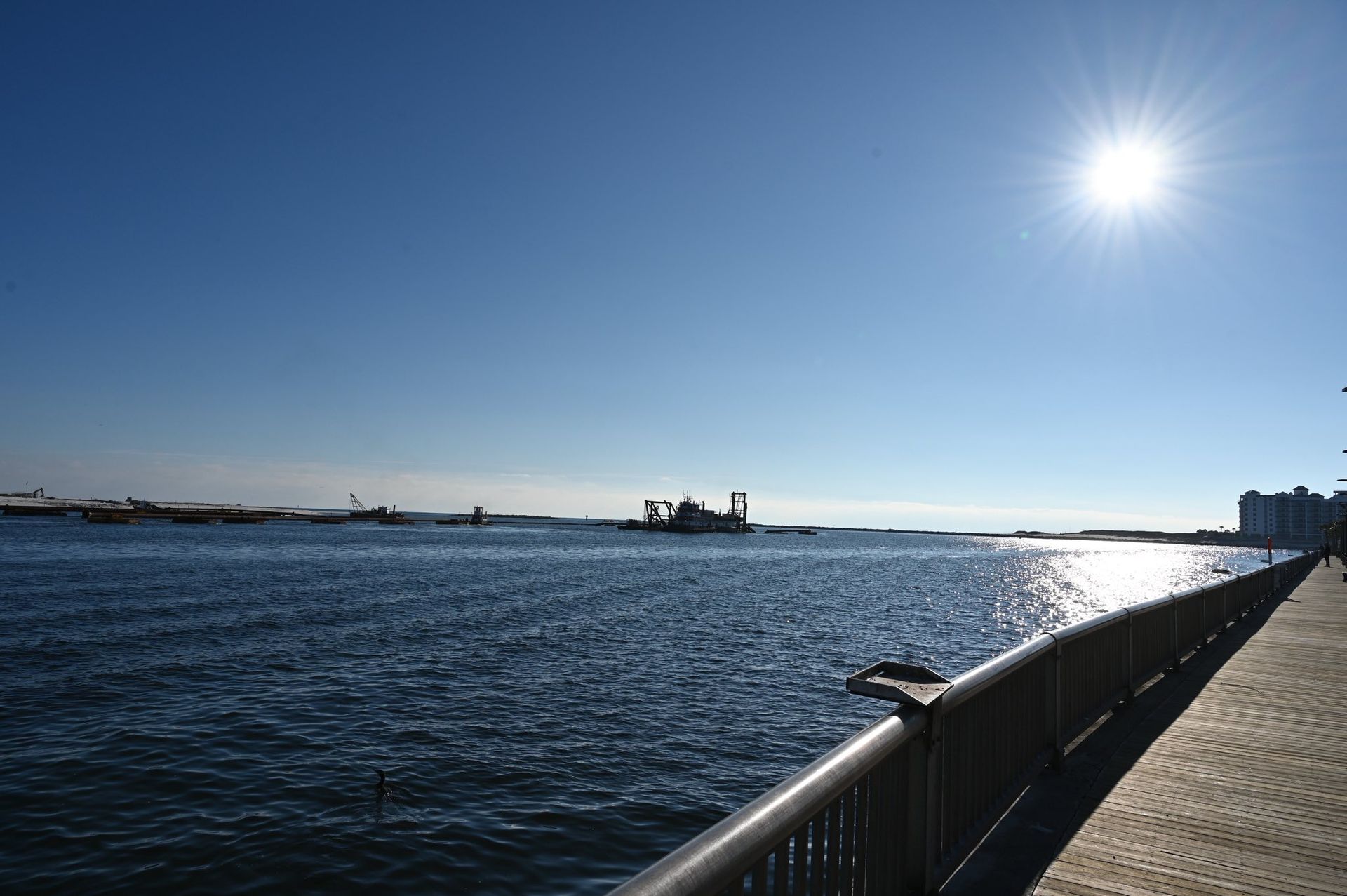
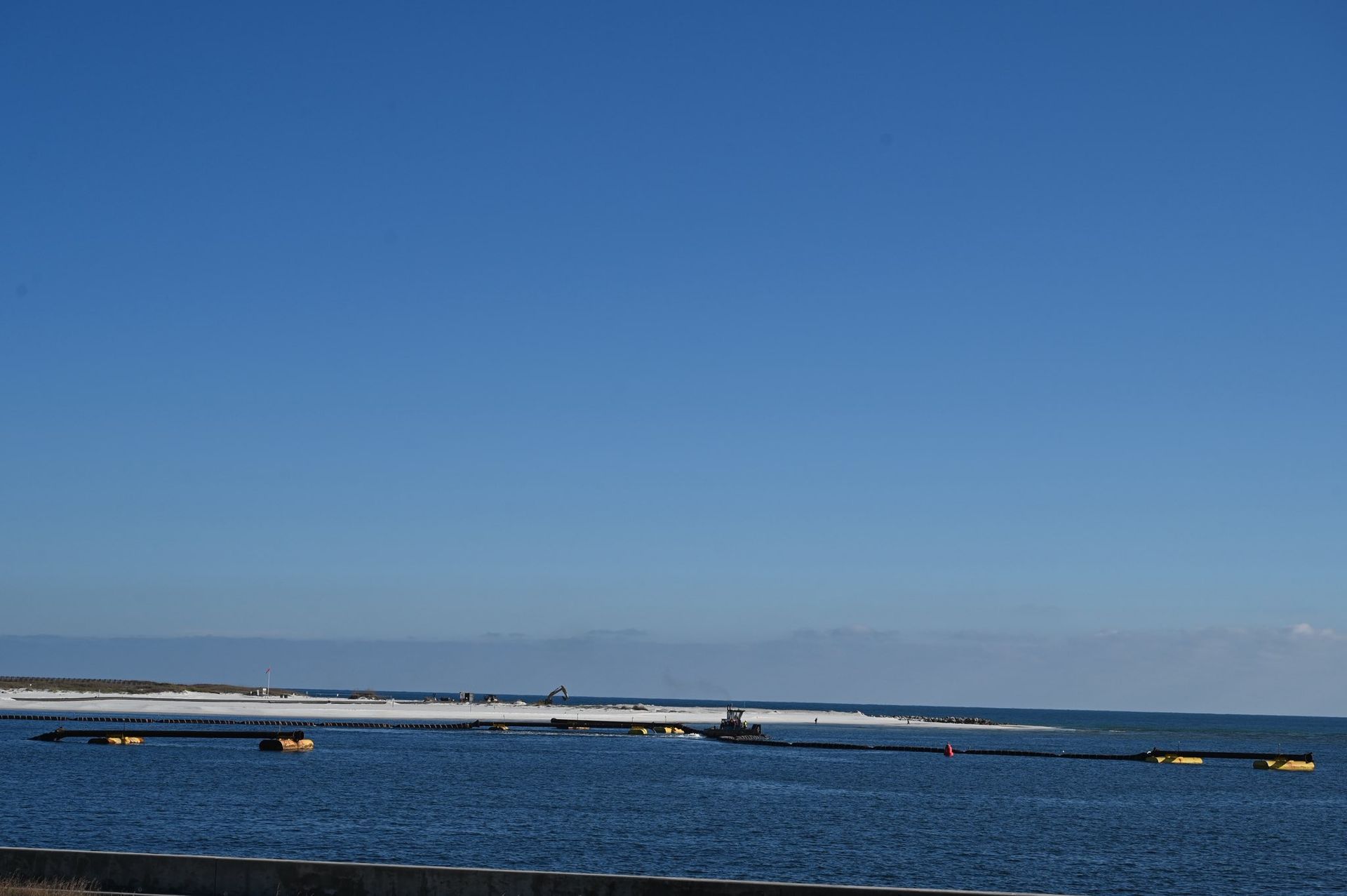
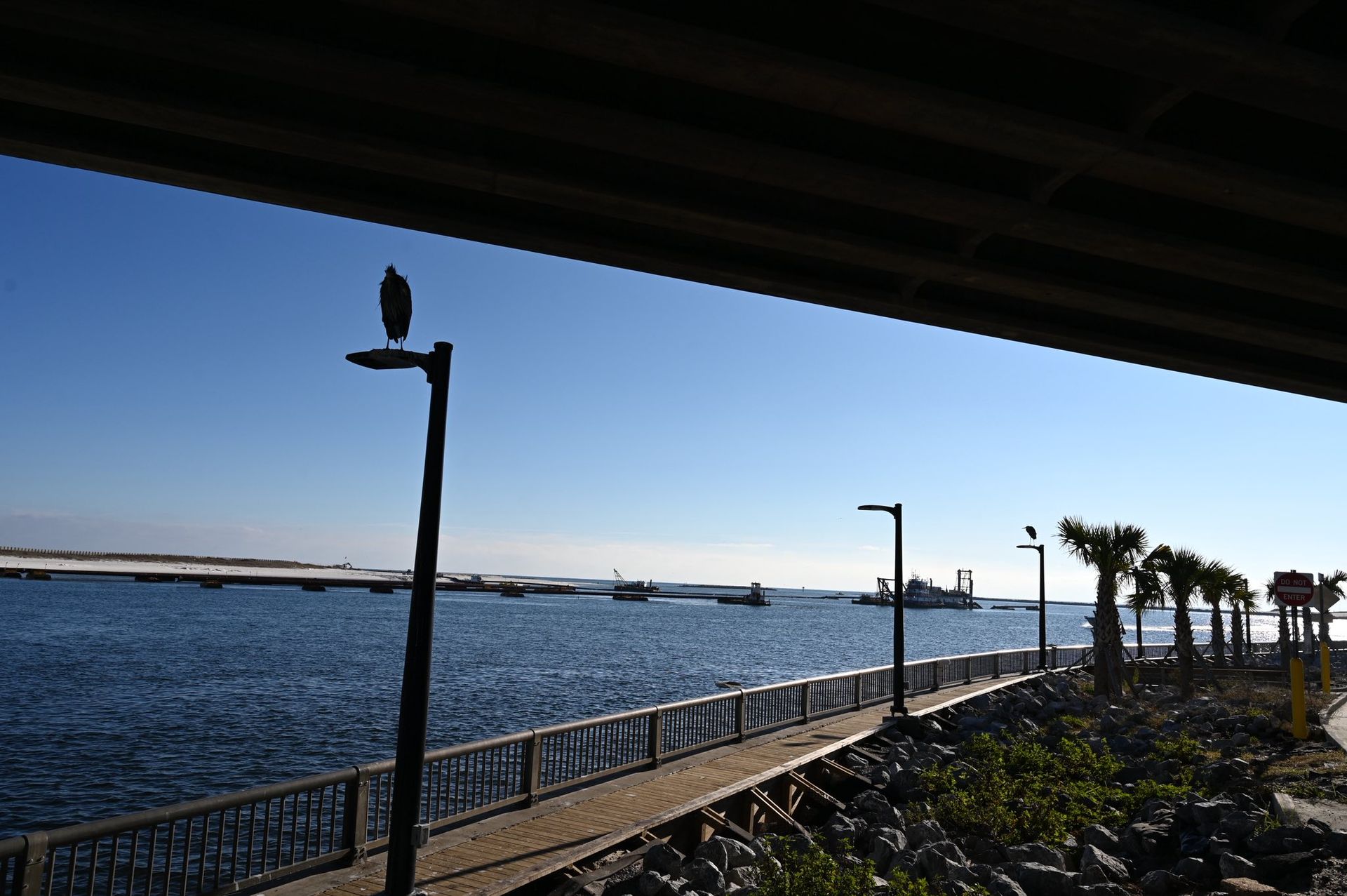
Gulf Shores, Ala. — (GSN) — America's shorelines are in a constant state of flux, shaped by the relentless action of waves, tides, and storms. In many areas, this change has become a crisis of erosion. On Dauphin Island, Alabama, the community faces persistent challenges as natural sand supplies are often cut off by dredging operations needed to maintain the Port of Mobile, leading to sand-starved beaches that require expensive nourishment projects to sustain. Similarly, across the Gulf, Louisiana struggles with its own coastal crisis; levees and flood-control projects along the Mississippi River have dramatically reduced the natural flow of sediment, leaving the state's barrier islands increasingly vulnerable to storm surge. While these localized battles to protect infrastructure and habitats are critical, they represent only a fraction of the broader nationwide challenge of beach erosion affecting the United States.
The scale of sand loss observed along the East and West Coasts of the United States often far eclipses these regional struggles. From the frequent storms carving away dunes on the Atlantic seaboard to the erosion of coastal bluffs in California, many of the country's best-known shorelines are retreating at alarming rates. These regions face compounding pressures, including rising sea levels, intensifying storms, and decades of coastal development that have interrupted natural sediment transport systems.
For a deeper look into the specific communities experiencing this shift, the World Atlas provides a comprehensive analysis of the locations where sand is being lost faster than it can be replaced. You can find detailed information on these at-risk shorelines in their article: The US Beaches Losing The Most Sand To The Ocean.
Preserving these environments has become one of the country's most significant coastal challenges. As these beaches continue to change, the necessity for sustainable, long-term restoration efforts grows, reminding us that America's coastlines will always be a work in progress.
For many small coastal towns, this reality is more than an environmental concern; it is an economic imperative. These communities are increasingly forced to prioritize significant portions of their municipal budgets toward ongoing dredging operations, a necessary expense to keep navigation channels open for vital maritime trade and to artificially replenish the beaches that sustain their tourism-dependent economies. Balancing the high, recurring costs of sand management with limited local resources remains a daunting task, yet one that these towns must master to ensure their future remains above the rising tide.





















Recent Posts