What The Flags Mean: Red Flags Along Local Beaches This Weekend
Ken Cooper • June 5, 2026
If it looks like a red flag beach day what does that mean
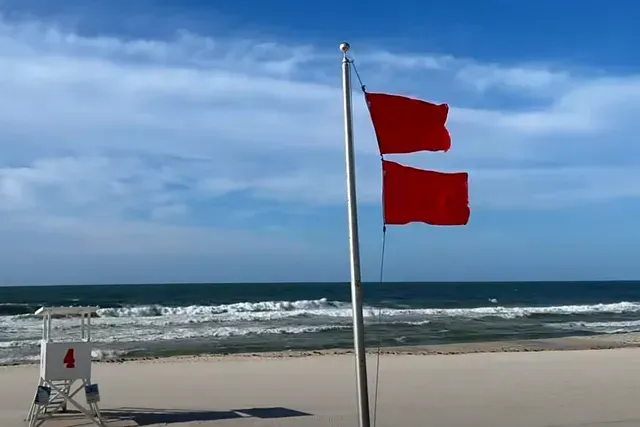
Orange Beach, Ala. — (GSN) — Many of our guests to the beach expect the weather and water to be perfect for their vacation. Sometimes they arrive and see a rough surf and red flags flying. Imagine if this is your one trip during the year and yet people or lifeguards are asking you not to enter the gulf waters.
Heading into the weekend, Gulf Shores Fire Rescue is warning of dangerous conditions, with waves expected this weekend and Double Red Flags likely flying. The alert comes after a busy start to the season, with hazardous surf showing up more often than not. Over the past two weeks alone, Single Red Flags were posted nine times, along with several days of Double Reds. Double Red Flags mean the Gulf waters are closed to swimmers.
In Orange Beach, lifeguards handled nearly 60 water rescues over Memorial Day weekend, as heavy crowds and rough surf kept them busy under Single Red Flag conditions. During Memorial Day weekend alone, lifeguards performed numerous rescues:
Friday: 43 water rescues
Saturday: 8 water rescues
Sunday: 8 water rescues
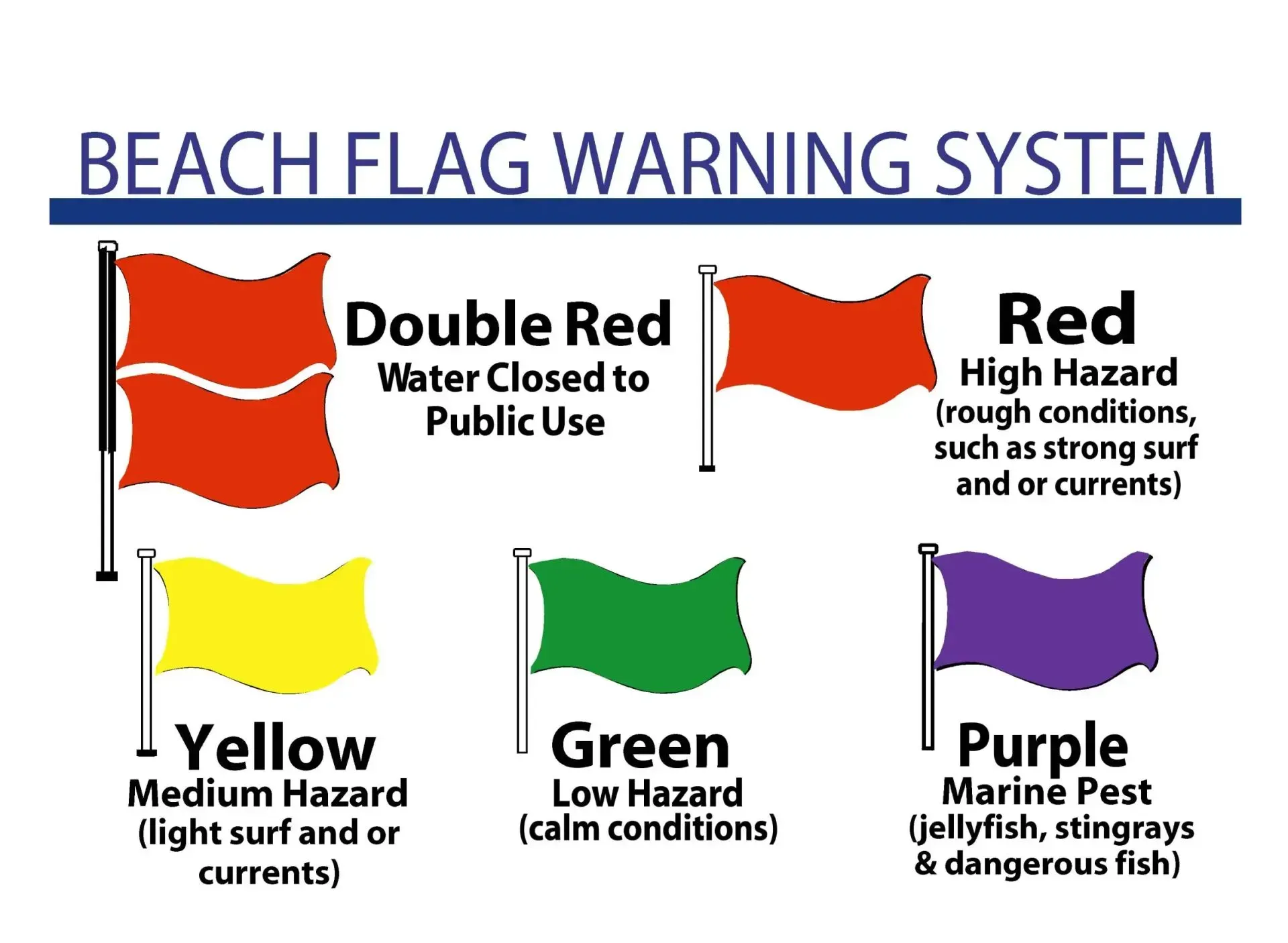
The BEach SAFE system was designed to warn all swimmers of local surf and beach conditions. Take time to familiarize yourself with our beach warning flag system which is in place to notify the public of potential water hazards. The flag colors are indicators of various surf conditions:
𝗗𝗢𝗨𝗕𝗟𝗘 𝗥𝗘𝗗 - Water closed to the public
𝗦𝗜𝗡𝗚𝗟𝗘 𝗥𝗘𝗗 - High surf and/or currents
𝗬𝗘𝗟𝗟𝗢𝗪 - Moderate surf and/or currents
𝗣𝗨𝗥𝗣𝗟𝗘 - Dangerous marine life
These beach warning flags are posted at all of our public beach areas and on all of our lifeguard towers. Our Beach Rescue team monitors conditions throughout the day. To ensure a safe and fun experience, it's crucial for you to check current surf conditions before heading out to the beach.
How to check current surf conditions:
Visit gulfshoresAL.gov.
Call 251-968-SURF (7873).
Text "ALBEACHES" to 888-777 to receive daily beach conditions via text message.
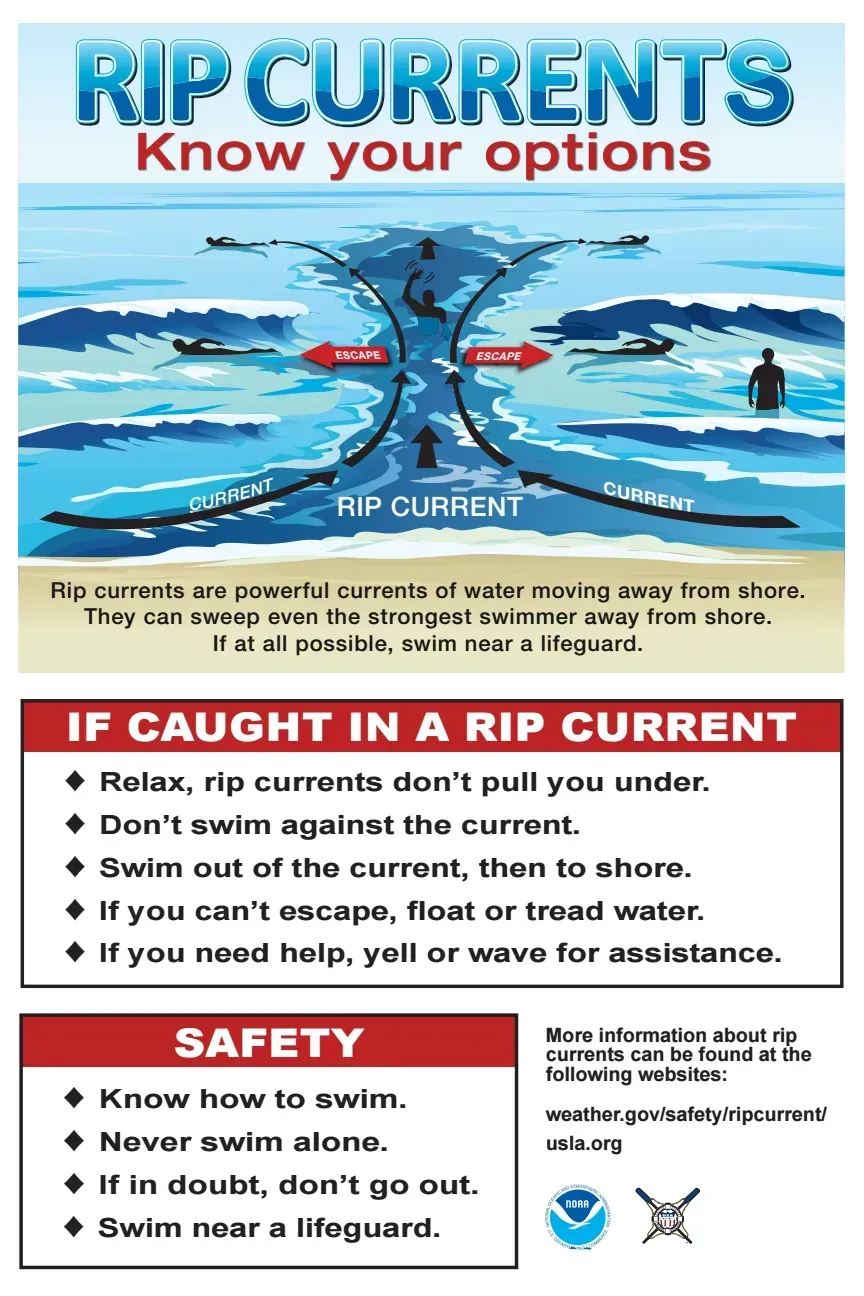
Don’t be a statistic. Currents can be deeply deceiving.
Rip currents are narrow currents that flow away from the beach and are the primary weather-related killer on northern Gulf Coast beaches. In this region, rip current fatalities exceed those from lightning, tornadoes, flooding, and tropical storms combined.
If you find yourself caught in a rip current, remember these life-saving steps:
- Do not swim against the current: Think of it as a treadmill you cannot turn off; swimming directly back to shore will only cause exhaustion.
- Swim parallel to the shore: Step "to the side" of the current by swimming across it in a direction following the shoreline.
- Stay calm: Rip currents do not pull you under, but they can carry you out as far as a football field.
- Float or tread water: If you cannot escape the current, conserve your energy by floating or treading water until the current's strength subsides.
- Signal for help: Wave your arms to get the attention of those on shore.






















Recent Posts