
Conservation Efforts Payoff As Most Sea Turtle Populations Rebound Worldwide
NOAA | Gulf Shores News Staff • May 29, 2026
NOAA updates sea turtle population report
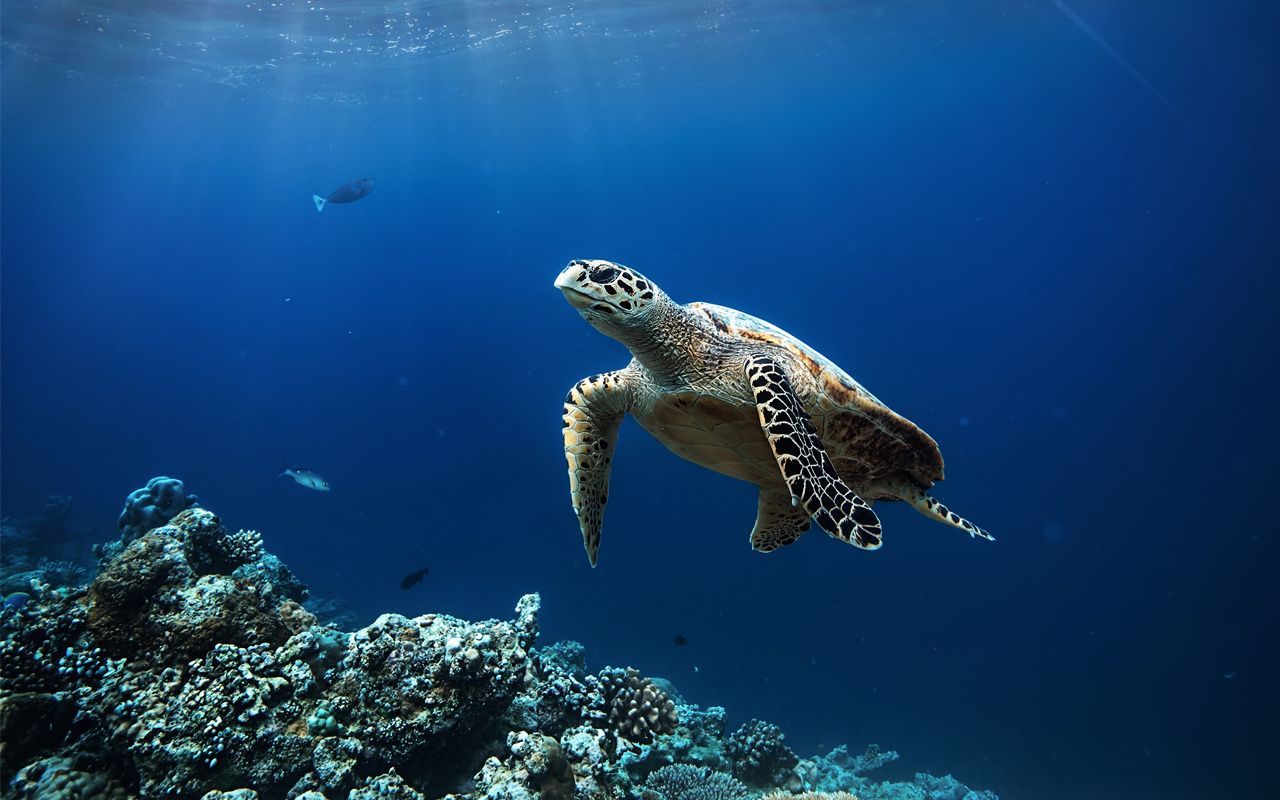
Gulf Shores, Ala. — (GSN) — Residents and businesses along the Alabama coast have made extensive efforts to protect the local sea turtle population. Programs such as Share The Beach have brought awareness to the turtles' plight and educate beach goers about the nesting season. According to a recent report by NOAA those efforts are showing positive results worldwide.
“Sea turtles are a shining light of marine conservation with recoveries of many nesting populations,” said Graeme Hays, Distinguished Professor and Chair in Marine Science at Deakin University in Australia. He and Jacques-Olivier Laloë from Deakin and NOAA Fisheries researcher Jeffrey Seminoff reviewed the status of the seven species of sea turtles around the world in Nature Reviews Biodiversity.
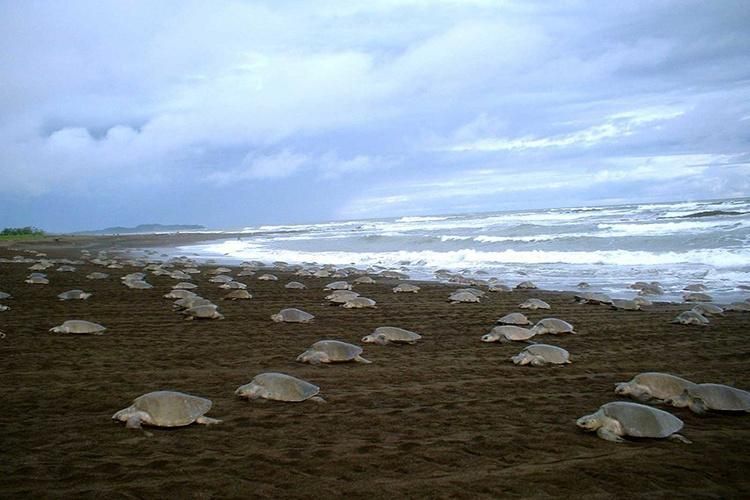
They found most sea turtle populations rebounding worldwide, with more turtles nesting at beaches with stronger protections in place. For instance, artificial lighting that can confuse baby turtles trying to find the ocean has been reduced or removed in many locations. Hunting turtles has fallen out of favor in some areas, and many fisheries around the world have adopted measures to avoid catching turtles.
RELATED ARTICLE: Sea Turtle Nesting Season Starts
“When I think of sea turtles, the first word that comes into my mind is resilience,” said Jeffrey Seminoff, a research scientist who specializes in sea turtles at NOAA Fisheries’ Southwest Fisheries Science Center. “They are sensitive because they depend on the marine ecosystem, but give them a chance to thrive and they will take advantage of it.”
According to the NOAA report, scientists reviewed records from nesting beaches around the world and other data on sea turtle populations. “These global evaluations show a generally encouraging picture of stable or upward trends across species and subpopulations,” the scientists wrote. They analyzed almost 300 different records of turtle numbers over time, finding that “significant population increases were three times more common than significant decreases. In an updated compilation of additional time series published in 2024, significant increases were six times more frequent than significant decreases.”
Most nesting sites also showed increases in loggerhead turtles, some by nearly two orders of magnitude. For example, between 2008 and 2020 the annual number of loggerhead nests increased from around 500 to 35,000 in Cape Verde in the North Atlantic Ocean.
Less information is available about hawksbill, olive ridley, Kemp’s ridley, and flatback turtles, but most show increases in individual populations. U.S. and international endangered species protections still apply to most species. Leatherback turtles, the largest of all sea turtles, are struggling most, with several populations in decline. These turtles can grow to the size of a small vehicle and often migrate thousands of miles across the oceans in search of prey in between nesting seasons.
A NOAA scientist credited the resurgence of sea turtles as “testimony to the hard work of hundreds of thousands of people around the world protecting nesting beaches, reducing illegal trafficking of sea turtle products, driving informed designation of conservation zones, reducing bycatch of turtles in fisheries. So humankind can reverse declines in biodiversity. We know how.”























Recent Posts