Saving the Coast, One Million Oyster Shells at a Time
Gulf Shores News Staff • August 28, 2026
Alabama’s Shell Game: The Restoration Revolution
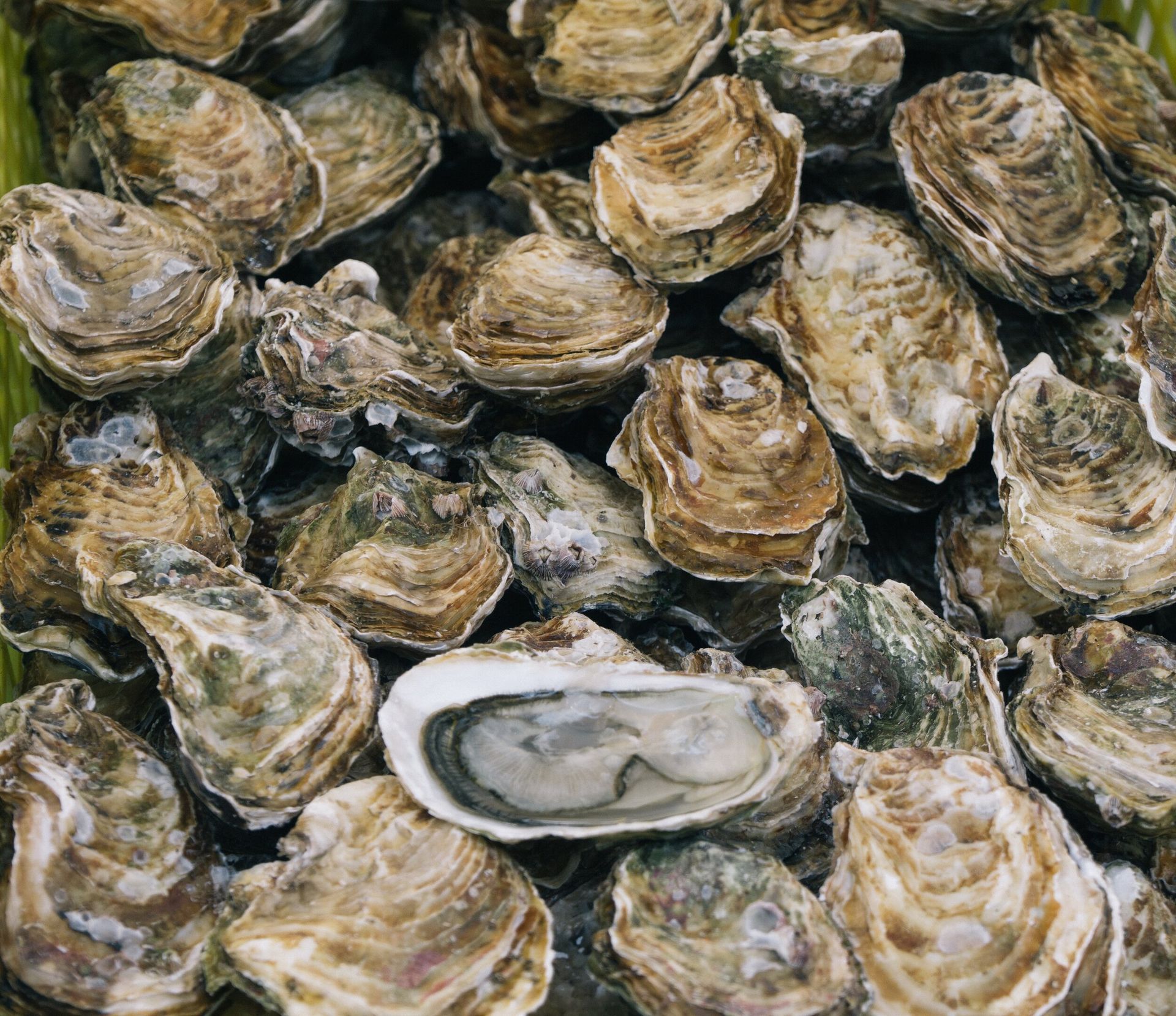
Orange Beach, Ala. — (GSN) — Alabama's coastal conservation efforts are reaching historic heights as the state's Oyster Shell Recycling Program draws incredibly close to a major milestone: collecting 31 million oyster shells. Since its launch in August 2016 by the Alabama Coastal Foundation (ACF)—initially funded by a grant from the National Fish and Wildlife Foundation (NFWF)—this initiative has transformed what was once restaurant waste into the very foundation of coastal restoration.
As of late July 2026, the program had officially collected 30,473,919 shells. To put this massive weight in perspective, the collected shells are roughly equivalent to:
- The weight of 642 adult elephants or 7,706 manatees.
- Over 484 fully loaded dump trucks.
- Enough raw material to restore approximately 120.1 acres of marine reef habitat along Alabama's coast.
The Reef-to-Table-to-Reef Lifecycle
Traditionally, the seafood industry operates on a linear model: oysters are harvested from the ocean, served in coastal restaurants, and their empty shells are discarded directly into landfills. The Oyster Shell Recycling Program aims to close this loop.
The process is rooted in simple marine biology. Wild oyster larvae, known as "spat," spend their first days swimming in search of a hard, durable surface to attach to and grow. In the wild, their preferred surface is almost always an older oyster shell. When these shells are taken out of the natural environment, new larvae struggle to find places to settle, slowing reef growth significantly.
To combat this, participating local restaurants—such as the Original Oyster House (which piloted the program in 2016), Flora-Bama, and Cobalt—separate empty shells from daily kitchen waste. The process of giving these shells a second life includes:
- Collection: Bins of shells are collected from participating restaurants several times per week.
- Curing: The shells are transported to dedicated outdoor locations where they age and cure for approximately six months. This vital curing process uses natural sunshine to eliminate harmful bacteria and any lingering organic debris.
- Deployment: Once completely clean and cured, the shells are loaded onto barges and returned to Alabama's bays and estuaries to build brand-new, self-sustaining reefs.
Rebuilding these reefs provides indispensable benefits to the Gulf Coast's delicate intertidal ecosystems:
- Natural Water Filtration: Oysters are elite filter feeders. A single adult oyster can filter anywhere from 15 to 50 gallons of water per day, removing algae, organic matter, and excess nutrients to dramatically improve water quality and clarity.
- Thriving Marine Habitats: Reconstructed oyster reefs act as critical nurseries, providing shelter and safety from predators for hundreds of species, including commercial favorites like fish, shrimp, and crabs.
- Shoreline Protection: Living reefs serve as natural breakwaters. Studies show that these structures can dissipate wave energy by 76 to 99 percent, safeguarding shorelines against storm surges, sea-level rise, and coastal erosion.
Diners can directly support these restoration efforts by visiting participating businesses or donating directly through the Alabama Coastal Foundation's Program Page, which features a secure "Shuck a Buck" donation option.
Beyond their profound ecological benefits, oysters hold a legendary status in coastal culture, serving as the true culinary soul of the Gulf Coast. For thousands of years—dating back to when indigenous populations relied on them as a primary food source—oysters have anchored the region's identity. Today, they drive a massive regional economy. The Gulf Coast accounts for nearly half of the United States' $250 million oyster industry, and Alabama proudly reigns as the number-one processor of oysters in the nation.
In coastal kitchens, the oyster is celebrated as a highly versatile canvas. From causal dockside shacks to white-tablecloth establishments, oysters are prepared in myriad ways to satisfy every palate:
- Raw on the Half-Shell: Enjoyed pure, cold, and briny, showcasing the raw, unaltered flavor of the sea.
- Fire-Grilled and Baked: Plump oysters are grilled over open flames, heavily ladled with garlic butter, and topped with cheeses like Parmesan and Romano, served alongside crusty French bread to soak up the bubbling juices.
- Classic Southern Staples: Oysters are fried to a golden crisp to stuff traditional Po' Boys, baked into holiday oyster dressings, or featured in timeless historic recipes like Oysters Rockefeller, which has delighted seafood lovers since its invention in 1889.
The culinary world has been further elevated by the rise of commercial off-bottom oyster farming. Rather than replacing wild harvests, coastal oyster farms complement them by producing premium, "branded" boutique oysters. These farmed varieties boast perfectly consistent sizing, deep cups, and stunningly clean shells that are highly prized by chefs and raw-bar enthusiasts.
This culinary demand has turned coastal chefs and restaurateurs into some of the most vocal advocates for marine conservation. Recognizing that the future of their menus is directly tied to the health of the Gulf, these culinary leaders use their platforms to champion sustainable practices. By ensuring that every shell from the kitchen table makes its way back to the bay, coastal dining remains a delicious, self-sustaining tribute to the oceans that feed us.






















Recent Posts